
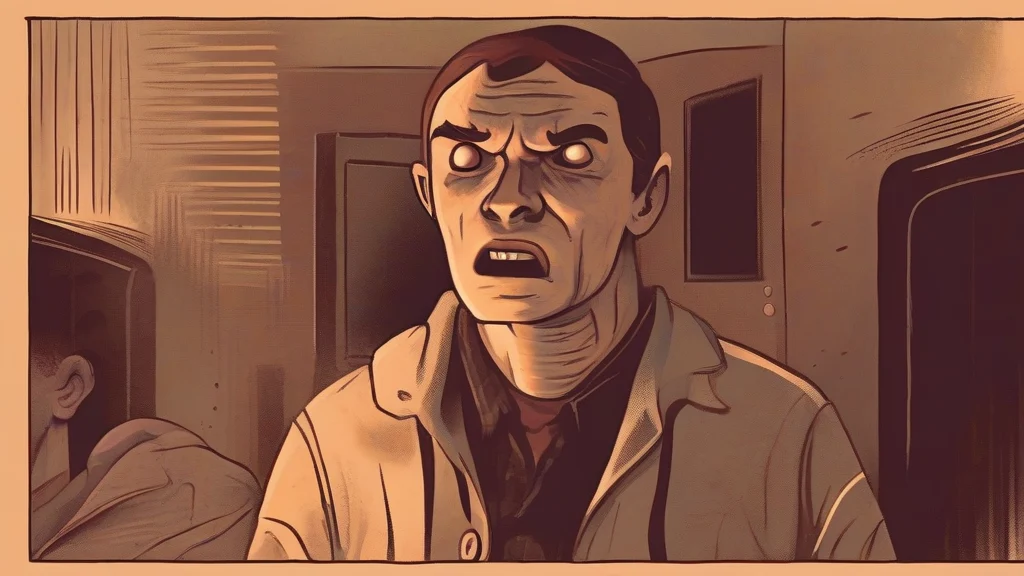
What does gaper mean?
“Gaper” is an informal noun for a person who stares with the mouth open, usually because of surprise, curiosity, amusement, or bewilderment. In contemporary use, it often carries a mildly teasing or dismissive edge: calling someone a gaper suggests an open, perhaps excessively interested stare rather than ordinary observation. The word can also have an older sense, now less common, for an ignorant or easily deceived person, linking the open-mouthed look of astonishment with a traditional idea of gullibility. In everyday English, “a gaper” is more likely to describe an onlooker at a spectacle, an accident, a performance, or anything unexpectedly strange. It is not a formal term, and its use may sound more pointed than the neutral “spectator” or “onlooker.” A gaper is someone who has visibly paused and looked, rather than someone who simply happens to have seen something. Although usually singular, the plural is “gapers,” and the word appears in both British and American English, with frequency and formality varying between them. It provides a vivid, slightly comic description of conspicuous curiosity while retaining an older connotation of credulity.
nounA gaper is someone who stares with their mouth open, especially in surprise, curiosity, amusement, or bewilderment. In an older, less common sense, a gaper is an ignorant or easily deceived person.
- A person who stares with their mouth open in surprise, curiosity, amusement, or bewilderment.
- An older and less common term for an ignorant or easily deceived person.
"A crowd of gapers gathered around the roadside accident."
"A crowd of gapers gathered around the roadside accident."
"The magician had an obvious gaper in the front row."
The standard plural is “gapers.”
"Several gapers crowded near the entrance to see what had happened."
From the open-mouthed stare to the older sense of an easily fooled person, “gaper” captures both conspicuous curiosity and credulity.
Reviewed by Deb Chak, Editor. AI-assisted content curated by RJS Tech Solutions LLP.
Where does gaper come from?
The English noun “gaper” was formed from “gape” plus the agentive suffix “-er,” meaning one who gapes. “Gape” descends from Old English “gapian,” meaning to yawn or open wide, and is related to cognate forms in other Germanic languages. These forms ultimately trace to a Proto-Indo-European root associated with opening wide or yawning.
Related word forms
How gaper is actually used
Informal and sometimes mildly teasing or dismissive. In its common sense, it emphasizes visible, open-mouthed curiosity rather than ordinary observation; in the rarer sense meaning an easily deceived person, it is more disparaging.