What does gaulter mean?
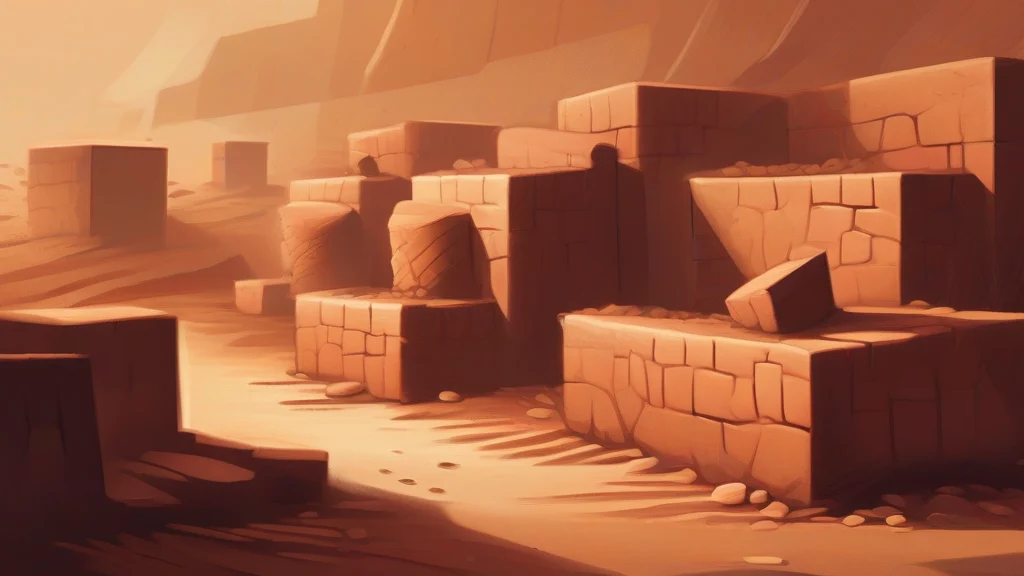
Gaulter refers to a specific type of clay or soil, often used in the production of bricks, ceramics, and other earthen materials. This term is predominantly used in British English and is of particular interest in geology and ceramics manufacturing. The word gaulter is closely related to the geological term 'gault', which denotes a type of clay formation. Gaulter is a useful term for those involved in the earth sciences, construction, and traditional crafts. While not widely used in everyday conversation, it holds significance in specialized contexts.
nounA type of clay or soil, especially one used in making bricks or ceramics.
- A type of clay or soil
- A geological formation
"The brickmaker mixed the gaulter with water to create a workable paste."
"The gaulter deposits in the area were prized for their quality."
"The geologist studied the gaulter samples to understand the region's geological history."
The plural form is used when referring to multiple types or deposits of gaulter.
"The geologist studied several gaulters in the region to understand the geological history."
Reviewed by Deb Chak, Editor. AI-assisted content curated by RJS Tech Solutions LLP.
Etymology of gaulter
The term gaulter is believed to originate from the Old English word 'gealt', meaning 'clay' or 'mud'. It is closely related to the geological term 'gault', which refers to a type of clay formation. The word has evolved over time, influenced by Middle English and regional dialects. Gaulter shares etymological roots with words such as 'geomancy' and 'geomorph', reflecting its connection to the earth sciences.
How gaulter is actually used
This term is primarily used in British English, especially in the context of ceramics and geology.