
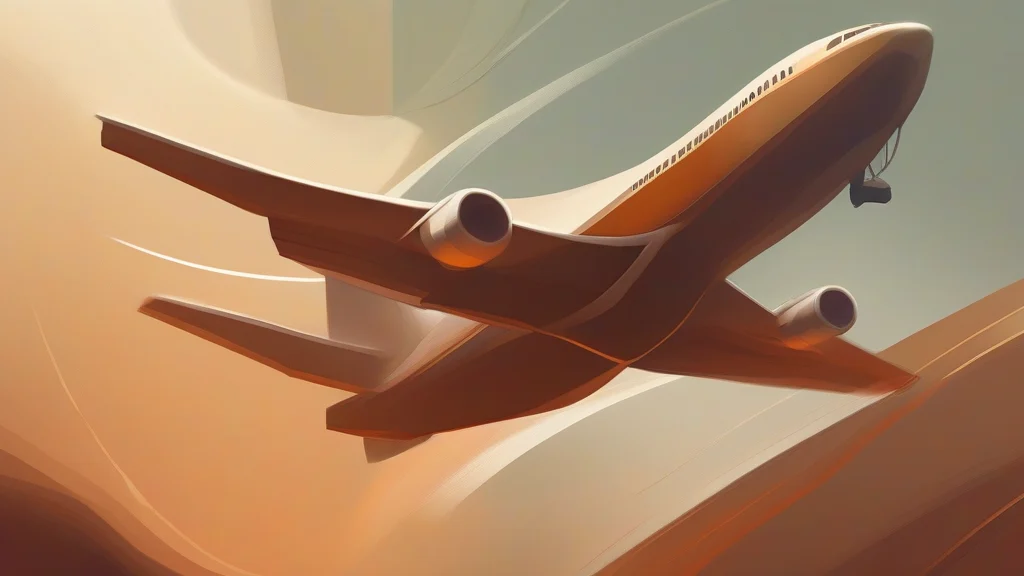
What does glide mean?
Glide means to move smoothly and with little apparent effort, whether describing a person’s movement, a gradual change between situations, or an aircraft descending without engine power. The word is used in both everyday and formal English and generally carries a positive or graceful connotation, suggesting ease, control, and fluidity. As a noun, a glide is a smooth movement or descent, particularly the kind of unpowered flight associated with gliding aircraft or birds. In figurative contexts, someone can glide into a conversation, a new role, or a social situation, implying a seamless or tactful transition. The verb and noun forms are especially useful because the same word can describe both an action and the resulting movement. Overall, glide conveys movement that is effortless-looking, measured, and elegant rather than abrupt, forceful, or clumsy.
To move smoothly, quietly, or with little apparent effort; to pass gradually from one state or situation to another; or to fly without engine power.
"The glider glided over the fields on a steady thermal."
The figurative use is common and often implies a seamless or tactful transition.
A smooth, controlled movement or descent, especially a flight made without engine power.
"The plane dropped into a long glide before reaching the runway."
In aviation, the term refers both to the maneuver of descending without engine power and to the flight path involved.
The standard plural is glides.
"The aircraft made several smooth glides before landing."
From a graceful movement through the air to a smooth social maneuver, glide captures the idea of moving forward with strikingly little effort.
Reviewed by Deb Chak, Editor. AI-assisted content curated by RJS Tech Solutions LLP.
Where does glide come from?
Glide derives from Old English glīdan, meaning “to move smoothly” or “to slide.” It is cognate with Dutch glijden, German gleiten, and Swedish glida, all reflecting the same Germanic ancestry. The word entered Middle English in its general sense of smooth movement and later developed the aviation meaning of traveling through the air without engine power.
Related word forms
How glide is actually used
The word is common in formal and informal English in both British and American usage. It often suggests an easy, graceful, or unobtrusive movement; in social contexts, it can imply that someone enters a situation smoothly or with tact.
Easily confused with glide
A slide may involve moving along a surface or through a narrow opening, whereas a glide emphasizes smooth, controlled movement with little apparent effort.
Gild means to cover something with a thin layer of gold, while glide means to move smoothly or descend.