
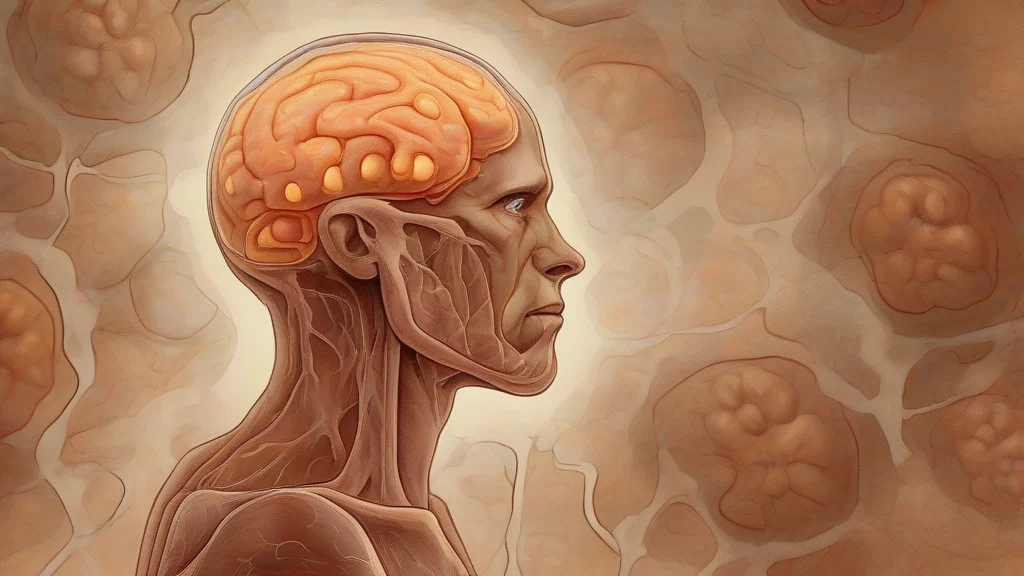
What does gliosis mean?
Gliosis is the growth or proliferation of glial cells, the supporting cells of the central nervous system. It most often occurs in response to injury, inflammation, infection, stroke, surgery, or neurodegenerative disease, and it can result in the formation of glial scar tissue. The word is therefore associated with the brain's repair processes, but those processes may also contribute to ongoing neurological problems. In medical reports, gliosis may be identified through imaging or examination of tissue, and descriptions such as reactive gliosis emphasize that the process is occurring in response to damage. Although the term is strongly associated with pathology, it describes a process rather than a single disease. It is especially useful when discussing the biological response of nervous tissue to injury and the possible relationship between chronic inflammation, scarring, and disease progression.
nounGliosis is the proliferation of glial cells in the central nervous system, especially as a response to injury, inflammation, infection, or degeneration. It commonly produces glial scarring and may be associated with neurological disease.
- The proliferation of glial cells in the central nervous system, especially in response to tissue damage, inflammation, infection, or degeneration, often resulting in scar formation.
"The scan revealed extensive gliosis in the tissue surrounding the damaged area."
"The MRI showed marked gliosis around the site of the old injury."
"Researchers are investigating whether reducing reactive gliosis could slow progression of the disease."
The plural is used when referring to multiple areas or examples of glial proliferation.
"The radiologist noted glioses in both cerebral hemispheres."
Gliosis is the brain's scar response: a name that sounds technical but points to one of its most familiar defensive reactions to injury.
Reviewed by Deb Chak, Editor. AI-assisted content curated by RJS Tech Solutions LLP.
Where does gliosis come from?
Gliosis combines the Greek noun glia, meaning “glue,” with the suffix -osis, a Greek-derived form associated with a process or condition, often a pathological one. The terminology reflects the historical idea of glial cells as the supporting or adhesive tissue of the nervous system. Its close relatives include glia, glial, glioma, and glioblastoma, all of which share the same Greek root.
Related word forms
How gliosis is actually used
This is a formal medical term used chiefly in neuropathology, neurology, and neuroradiology. It denotes a biological process rather than a single lesion or symptom.
Easily confused with gliosis
Gliosis is a proliferation of glial cells that may form scar tissue, whereas a glioma is a tumor arising from glial cells.