
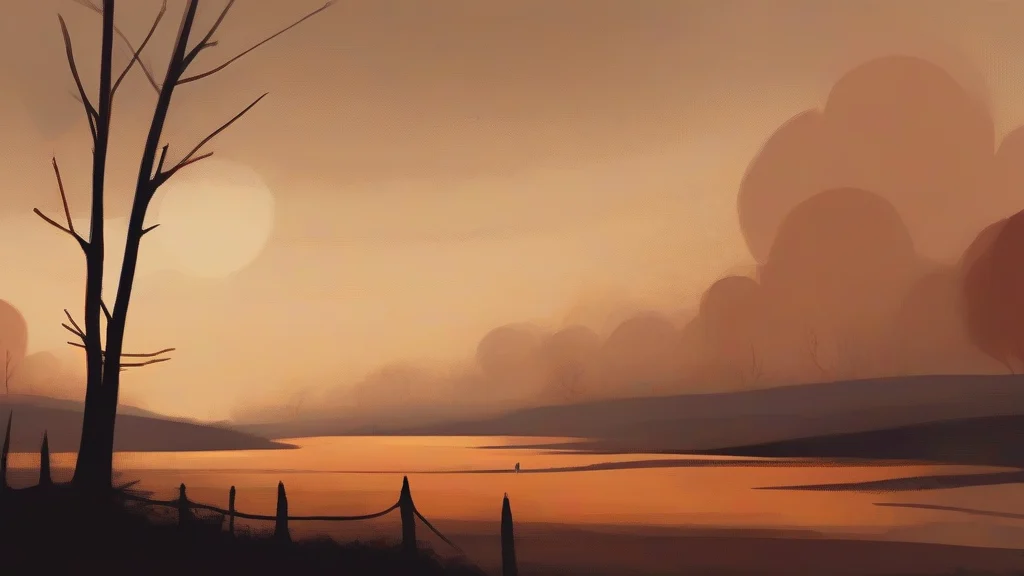
What does gloaming mean?
Gloaming is a literary noun for twilight or dusk, particularly the softly fading light of early evening. Rather than naming an exact hour, it evokes the gradual transition from daylight to darkness, often with associations of quiet, beauty, and contemplation. Writers may use it to describe a landscape, atmosphere, or period of the day: the hills vanished in the gloaming, or a pale moon rose through the gloaming. The word is chiefly associated with British and Scottish English, although poets and prose writers in other varieties also employ it. Its elevated, slightly archaic tone makes it especially effective in descriptive or nostalgic writing, but it can sound deliberately old-fashioned in ordinary conversation. Gloaming is more evocative than neutral words such as dusk and twilight, suggesting not only the loss of daylight but also the subdued light and changing mood that accompany evening. It is normally used as a mass noun, with forms such as “in the gloaming” and “the gloaming hour” forming its most familiar patterns.
nounThe period of twilight or dusk, especially the fading light of early evening.
- Twilight or dusk, especially the fading light of early evening.
"The hills disappeared into the gloaming as the first stars appeared."
"By the gloaming, the lamps along the river had begun to glow."
"A pale moon rose through the gloaming above the quiet valley."
Rare; gloaming is normally an uncountable singular noun.
"The gloamings of autumn softened the stark outlines of the hills."
Gloaming names the suspended moment when daylight withdraws but darkness has not yet fully arrived.
Reviewed by Deb Chak, Editor. AI-assisted content curated by RJS Tech Solutions LLP.
Where does gloaming come from?
The word appeared in English in the late sixteenth century, formed from the older word gloam, meaning darkness or twilight, with the suffix -ing. Gloam itself descends from Old English glōm, an ancestral source of the related English words gloom and gloomy. The modern sense developed from the fading or dimming light of early evening into the period of twilight.
How gloaming is actually used
Gloaming is literary and somewhat archaic, with a poetic or nostalgic atmosphere. It is used primarily as an uncountable noun and is especially common in British and Scottish writing.
Easily confused with gloaming
Gloaming means the fading light of twilight, whereas glowing means emitting light or shining brightly.