
What does goatling mean?
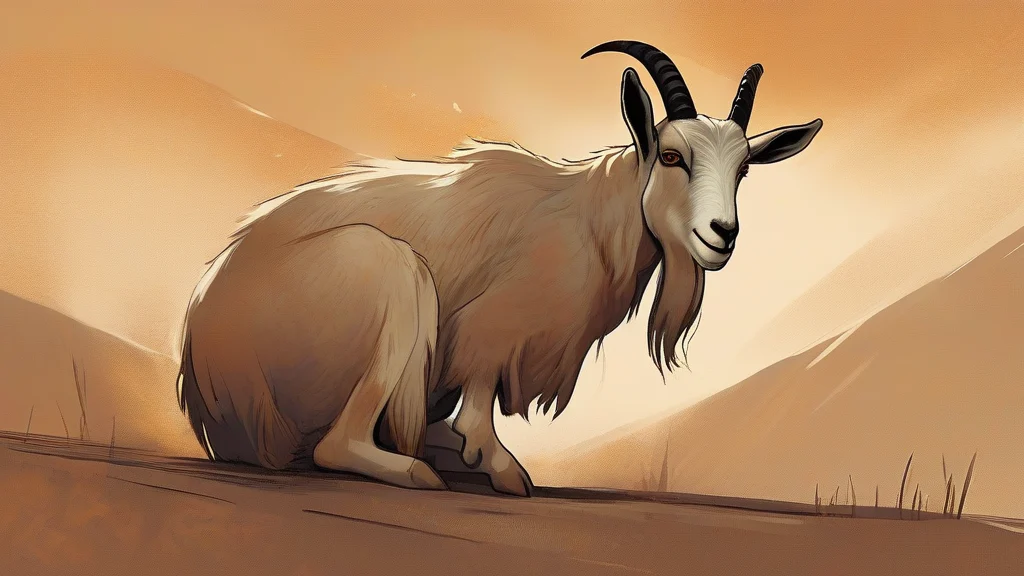
A goatling is a young or small goat, most plainly a kid. In ordinary modern English, kid is the usual and more accessible term, while goatling has a slightly literary, traditional, or specialist air because it names the animal explicitly and adds a diminutive ending. The word is especially useful in descriptions of farm animals, wildlife, or a herd where the age or size of a goat matters: a newborn goatling, for example, needs different care from an adult. It can also give a sentence a period or pastoral flavour, making it natural in literary descriptions, children's stories, and accounts of animal husbandry, though it does not denote a formal zoological category. The term should not be confused with gloating, which means showing smug satisfaction. Etymologically, goatling was formed from goat and the English diminutive suffix -ling, so its structure points plainly to “little goat.” Its uncommonness and transparent morphology make it a memorable example of how English can mark youth or smallness within a word.
nounA goatling is a young or small goat, especially a kid. The word is relatively uncommon and is chiefly used in literary, rural, or animal-husbandry contexts.
- A young or small goat; a kid.
"The farmer bottle-fed the orphan goatling until it was strong enough to join the herd."
"The farmer bottle-fed the orphan goatling until it was strong enough to join the herd."
"By spring, the goatling had grown into a lively young doe."
The standard regular plural, used when referring to more than one young or small goat.
"Two goatlings rested together near the stable."
The diminutive ending -ling turns “goat” into “little goat” in one tidy word.
Reviewed by Deb Chak, Editor. AI-assisted content curated by RJS Tech Solutions LLP.
Where does goatling come from?
Goatling is an English diminutive formed from goat and the suffix -ling, which can indicate a small or young thing. Its base is the Old English gāt, the native English word for the animal. The same base underlies modern words such as goatish, goatherd, and goatfish, while close relatives exist in other Germanic languages.
Related word forms
How goatling is actually used
Less common than “kid” and often literary, traditional, or rural in tone. It can sound more specific than “kid” and is appropriate in animal-husbandry prose, storytelling, or older writing; there is no significant difference in meaning between British and US use.
Easily confused with goatling
A goatling is a young goat, whereas gloating means showing smug or self-satisfied pleasure.