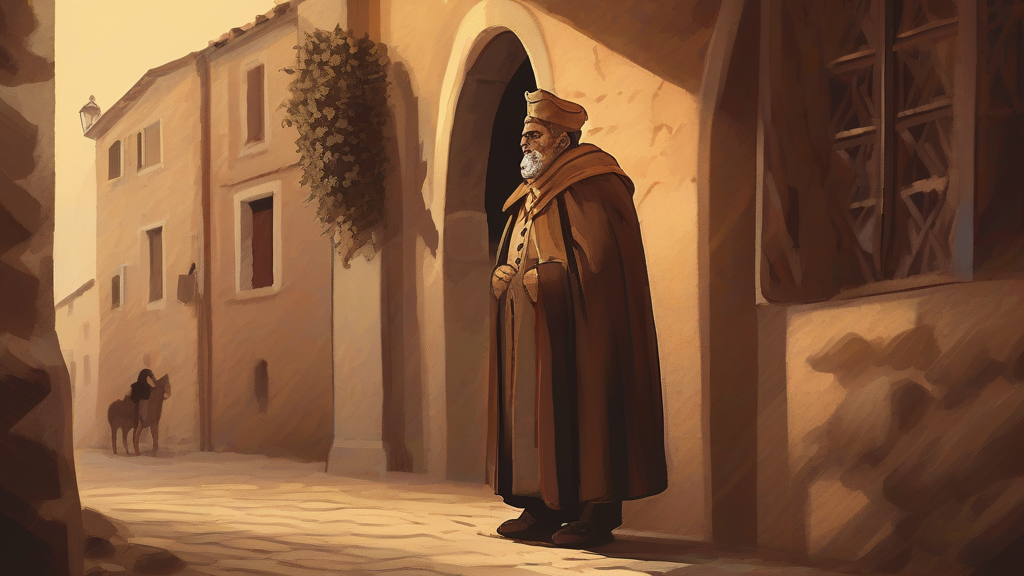
What does gonfalonier mean?
The gonfalonier is a high-ranking official in a commune in Italy, particularly in the Republic of San Marino. This position is often associated with fairness, wisdom, and leadership. The gonfalonier plays a key role in the commune's decision-making process and is a respected figure in the community. The term 'gonfalonier' is primarily used in the context of Italian communes and is not commonly used in other languages. In San Marino, the gonfalonier is elected by the Great and General Council and serves a five-year term. The gonfalonier is responsible for overseeing the administration of the commune and ensuring that the laws and regulations are enforced. The position of gonfalonier is an important one in San Marino, and the individual who holds this position is expected to be fair, wise, and just. The gonfalonier's role is to provide leadership and guidance to the commune, and to make decisions that benefit the community as a whole. The gonfalonier is also responsible for representing the commune in international relations and for promoting the interests of the commune. Overall, the gonfalonier is a vital part of the commune's government and plays a key role in the decision-making process.
nounA gonfalonier is a chief magistrate or a high-ranking official in a commune in Italy, particularly in the Republic of San Marino.
- A chief magistrate or high-ranking official in a commune in Italy.
"The gonfalonier of San Marino was a respected figure in the community, known for his fairness and wisdom."
"The gonfalonier of San Marino was a respected figure in the community, known for his fairness and wisdom."
"The gonfalonier played a key role in the commune's decision-making process."
The plural form 'gonfaloniers' is used to refer to multiple gonfaloniers.
"The gonfaloniers of San Marino worked together to make important decisions for the commune."
Reviewed by Deb Chak, Editor. AI-assisted content curated by RJS Tech Solutions LLP.
Etymology of gonfalonier
The term 'gonfalonier' originated from the Italian word 'gonfalone', which refers to a type of flag or banner. The position of gonfalonier emerged in the Middle Ages in Italy, particularly in the communes of San Marino and other Italian cities. The gonfalonier was responsible for carrying the gonfalone, or flag, of the commune and for leading the commune's military forces. Over time, the position of gonfalonier evolved to become a high-ranking official in the commune's government, responsible for overseeing the administration of the commune and ensuring that the laws and regulations are enforced.
How gonfalonier is actually used
The term 'gonfalonier' is primarily used in the context of Italian communes and is not commonly used in other languages.