
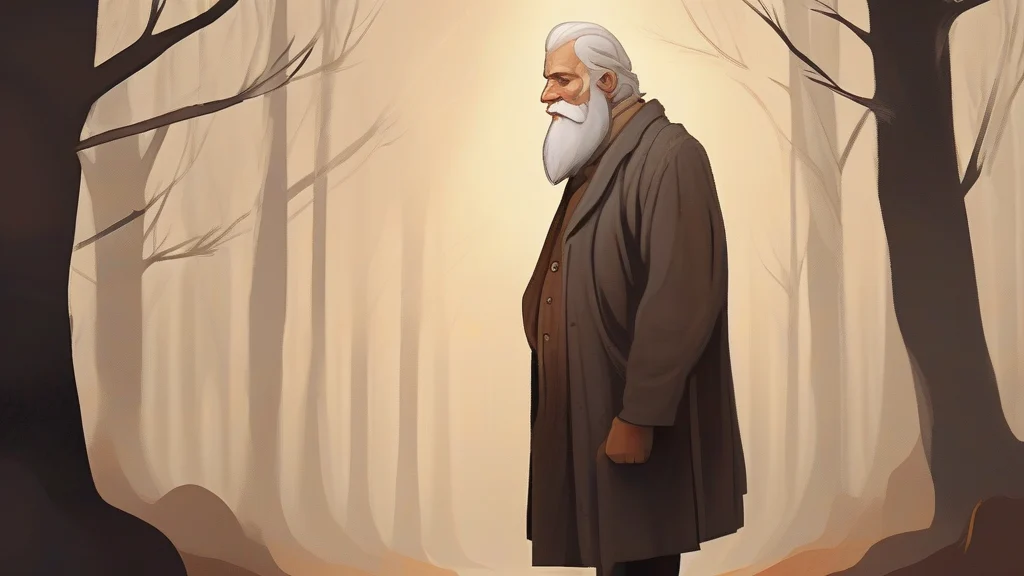
What does greybeard mean?
A greybeard is an old man, particularly one viewed with irritation, amusement, or contempt as obstinate, pedantic, or old-fashioned. The word is now mostly literary or deliberately disparaging, so its use often adds colour rather than neutral description. It may appear in narratives, historical writing, or dialogue that aims to portray a character as an irksome elder. Despite its age, the expression remains readily understandable: it combines a concrete image of an old man's grey or white beard with a less flattering social judgment. This dual character makes it useful for conveying both physical age and attitude. In British spelling it is generally written greybeard, while graybeard is the common American variant. Its modern resonance is therefore stronger than that of a purely descriptive word such as elder: calling someone a greybeard is rarely a neutral act.
nounAn old man, especially an old man regarded with contempt or as old-fashioned and pedantic.
- An old man, especially one regarded with contempt or as pedantic.
"Rather than listen to the village greybeard's complaints, he turned and walked away."
"The committee was reluctant to let the old greybeard derail its deliberations."
"His greybearded uncle had chaired the discussion for nearly an hour."
The regular plural adds -s.
"Two of the village greybeards sat arguing beside the fire."
The image is literal—a grey beard suggests advanced age—but the word also delivers a sharp verbal cuff to someone it considers old-fashioned or pedantic.
Reviewed by Deb Chak, Editor. AI-assisted content curated by RJS Tech Solutions LLP.
Where does greybeard come from?
Greybeard is a compound formed from grey and beard, referring originally to the conspicuous beard associated with an old man. The word dates from the 16th century and was used both descriptively and as a somewhat contemptuous label for an elderly man. Grey itself descends from Old English grǣg, and the related compound greyhound preserves the same colour root in an unrelated sense.
Related word forms
How greybeard is actually used
Now chiefly literary, historical, or deliberately dismissive. It may sound quaint or mildly insulting, and it can imply that an older person is fussy, obstructive, or out of touch.
Easily confused with greybeard
Graybeard is the American spelling variant of greybeard, and both forms can mean an old man, especially one regarded with contempt.