
What does grimier mean?
“Grimier” is the comparative form of “grim,” meaning more grim: more forbidding, harsh, bleak, or severe. It is used when a situation, prospect, expression, or scene has become worse or feels more severe than it did before. The word can describe deteriorating circumstances, such as “the grimier outlook,” or contrast two degrees of bleakness, as in “a grimier version of the story.” Its force comes from the underlying sense of grimness rather than from an unusual meaning: a grimier road, forecast, or mood is one that is darker, more severe, or less inviting than its comparison. Because it is a comparative, it normally appears with “than,” although it can also stand alone when the contrast is understood. “Grimier” is common in both British and American English and works in formal reporting, literary description, and ordinary conversation. The alternative spelling “grimmer” is also established, but “grimier” is useful when a writer wants the standard -ier comparative pattern. A reader encounters the word most often as a vivid way to describe a worsening prospect or an increasingly forbidding atmosphere.
adjectiveComparative of grim: more grim, forbidding, bleak, or severe.
- The comparative of grim: more grim, forbidding, bleak, or severe.
"The forecast for next month looks grimier than it did last week."
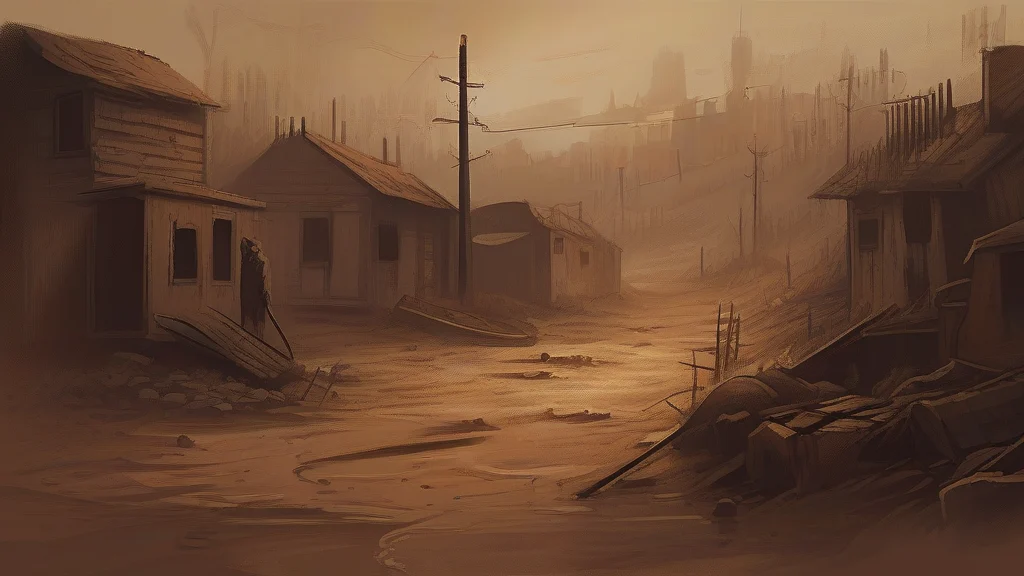
"As the storm approached, the landscape grew even grimier."
"The novel offers a grimier account of the conflict than the earlier history did."
Grimier adds one more degree of bleakness—and English gives writers the alternative spelling grimmer, creating a memorable spelling showdown.
Reviewed by Deb Chak, Editor. AI-assisted content curated by RJS Tech Solutions LLP.
Etymology of grimier
“Grimier” is formed from “grim” by adding the comparative suffix -ier, a spelling pattern used in many English adjectives. “Grim” descends from Old English grimm, an inherited Germanic word meaning “fierce, cruel, or severe” and related to modern German grimm and Dutch grimm. Its modern sense developed toward bleakness or forbidding severity, while the comparative form continues the inherited adjective pattern.
Related word forms
How grimier is actually used
This is a comparative form and is normally used with than or in a context where a comparison is understood. It is neutral in register but commonly conveys bleakness, severity, or an increasingly forbidding atmosphere. Grimmer is also a standard alternative spelling.
Easily confused with grimier
Grimmer is an established alternative comparative spelling of grim, whereas grimier follows the more transparent -ier pattern.