
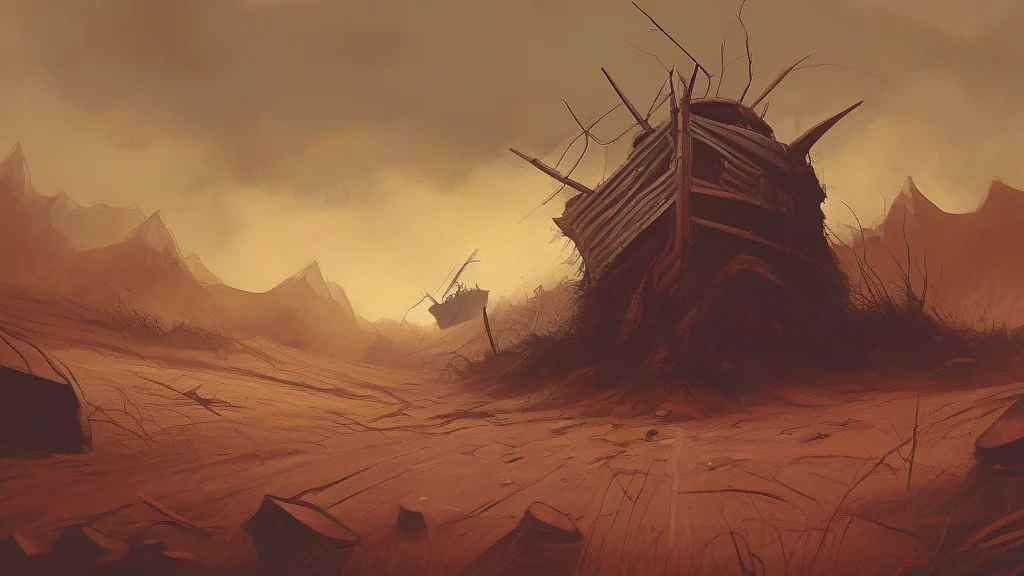
What does grislier mean?
Grislier is the comparative form of grisly, an adjective describing something ghastly, gruesome, or horrifically unpleasant. It indicates a greater degree of those qualities: a landscape may become grislier as fog and damaged buildings come into view, or a fictional scene may be grislier than an earlier one. The word occurs in both British and American English. Although its meaning is straightforward, its sound and literary tone give it an emphatic quality that suits descriptions intended to disturb or horrify. It is especially useful for comparing frightening sights, grisly details, or deliberately macabre narratives without replacing the base word's own strong effect. In ordinary conversation it may sound somewhat exaggerated or dramatic, while in descriptions of horror fiction, decaying places, violent imagery, or threatening environments it can be both natural and vivid. The related form grisliness names the quality of being grisly, and grislily describes an action performed in a grisly manner.
adjectiveThe comparative form of grisly: more grisly, especially more frightening, gruesome, or horrible in appearance.
- More grisly or horrifying in appearance, character, or effect.
"The abandoned laboratory looked even grislier after the lamps began to flicker."
"As the storm intensified, the waves took on a grislier appearance."
"The novel's final chapter is grislier than anything that preceded it."
Grislier is what happens when “grisly” is already true—and the story still has room to terrify.
Reviewed by Deb Chak, Editor. AI-assisted content curated by RJS Tech Solutions LLP.
Where does grislier come from?
Grislier is the regular comparative form of grisly, an English adjective meaning “ghastly,” “gruesome,” or “horrifying.” Grisly is attested from the late sixteenth century and is often traced to the Old English adjective grīslic, meaning “horrid” or “loathsome,” although the deeper origin of that form is uncertain. The modern comparative ending -er developed through the regular English pattern of adding -er to adjectives to express comparison.
How grislier is actually used
This is a comparative adjective and can stand alone when a comparison is understood, although “grislier than” is often clearer. It has a literary and deliberately heightened tone, commonly describing gore, decay, menace, or scenes designed to disturb the reader. British and American usage are broadly similar.
Easily confused with grislier
Grizzlier is the comparative of grizzly, meaning more shaggy or bear-like, whereas grislier means more grisly or horrifying.
Grizzled describes something marked with gray or grayish flecks, while grislier describes something more gruesome or terrifying.