
What does hackney mean?
Hackney is chiefly a British adjective meaning old, worn out, or in poor condition, especially when applied to a horse that has been exhausted by excessive work. In modern English, it can also describe something shabby or dilapidated, although hackneyed is more usual when the cause is repeated use or familiarity. As a noun, a hackney is a horse belonging to a carriage breed developed in the London district of Hackney, whose compact build and strength made it useful for pulling coaches and carts. The related verb, meaning to make worn out or exhausted, is now archaic. The capitalised place name Hackney is therefore normally written with an initial capital letter, while the lowercase adjective and the name of the horse breed do not require one. Hackney remains worth knowing because it links a familiar British term for a tired horse with a particular piece of London equestrian history and with the modern expression hackneyed.
Old or worn out, especially as a result of excessive work; in a broader use, shabby or dilapidated.
"The stable housed several tired, hackney horses after a long day's work."
Chiefly British. The extension from horses to objects and buildings is relatively uncommon, and hackneyed is normally preferred for something made stale through repetition.
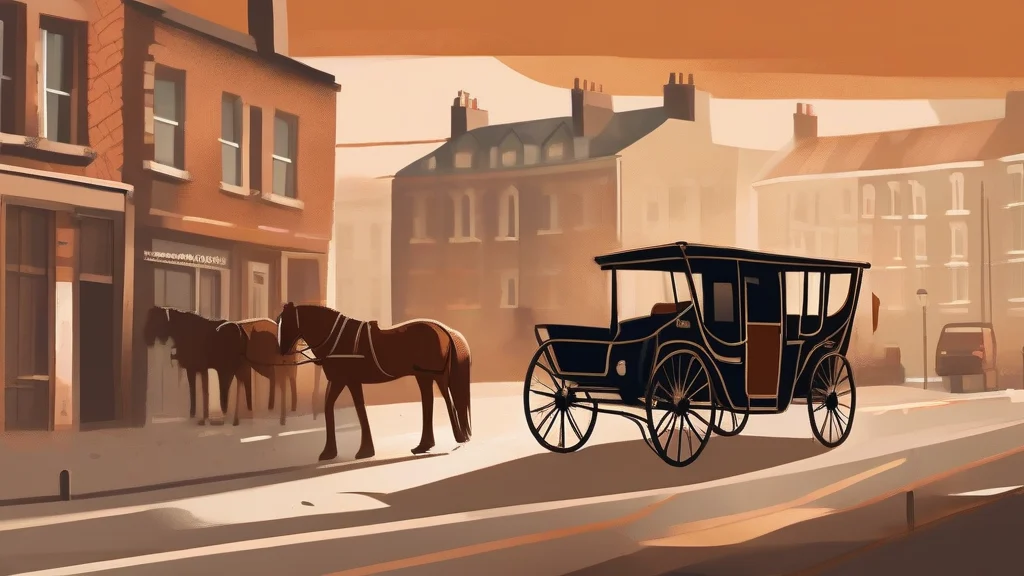
A horse of a breed originally developed in the Hackney district of London and traditionally used for carriage work.
"A bay hackney stood patiently between the carriage shafts."
The breed name is lowercase when it refers to the horse; Hackney with a capital H normally refers to the London district.
To make worn out or exhausted, especially through excessive work.
"Years of heavy labour had hackneyed the old horse."
Archaic. In modern usage, worn out or hackneyed is generally preferred.
The plural refers to horses of the hackney breed.
"The coach was drawn by a team of polished black hackneys."
The word entered English through carriage horses from London's Hackney district—and eventually became a byword for anything worn out.
Reviewed by Deb Chak, Editor. AI-assisted content curated by RJS Tech Solutions LLP.
Where does hackney come from?
The word comes from Hackney, a district of London associated historically with the breeding of carriage horses. The adjective originally described a horse worn out through work, and its broader sense for anything shabby or dilapidated developed from that usage. The derivative hackneyed originally referred to a worn-out horse before acquiring the figurative meaning of stale or unoriginal through repeated use; no other common English cognates are securely established.
Related word forms
How hackney is actually used
The adjective is chiefly British and is now more common for horses than for objects or buildings. The figurative extension to anything shabby or exhausted is established but relatively uncommon. The verb is archaic and should normally be replaced by hackneyed or worn out.
Easily confused with hackney
Hackney describes something as old or worn out, especially a horse, whereas hackneyed more commonly describes something made stale or unoriginal through repeated use.