
What does haggler mean?
A haggler is a person who haggles: someone who negotiates persistently, often trying to lower a price or improve the terms of an agreement. In contemporary English, the word usually carries a mildly informal and sometimes disparaging implication, suggesting a buyer or seller who argues over every detail or takes a long time to reach a deal. Its older meaning referred to a dealer or trader associated with selling goods cheaply, often of poor or doubtful quality. “Haggle” is the related verb, while “haggler” identifies the person doing the bargaining. The word is especially common in British English but is also used in American English. It is useful when describing persistent negotiation, commercial bargaining, or the social behavior of a forceful trader.
nounA haggler is someone who negotiates, especially someone who argues persistently over prices or terms. Historically, the word could also refer to a dealer who sold goods cheaply or of questionable quality.
- A person who haggles, especially one who negotiates persistently or aggressively over price or terms.
- Historically, a dealer or trader associated with selling goods at low prices, sometimes of poor quality.
"With a haggler like that, the price may take all afternoon to settle."
"She was a formidable haggler, reducing the asking price by a third before agreeing to buy."
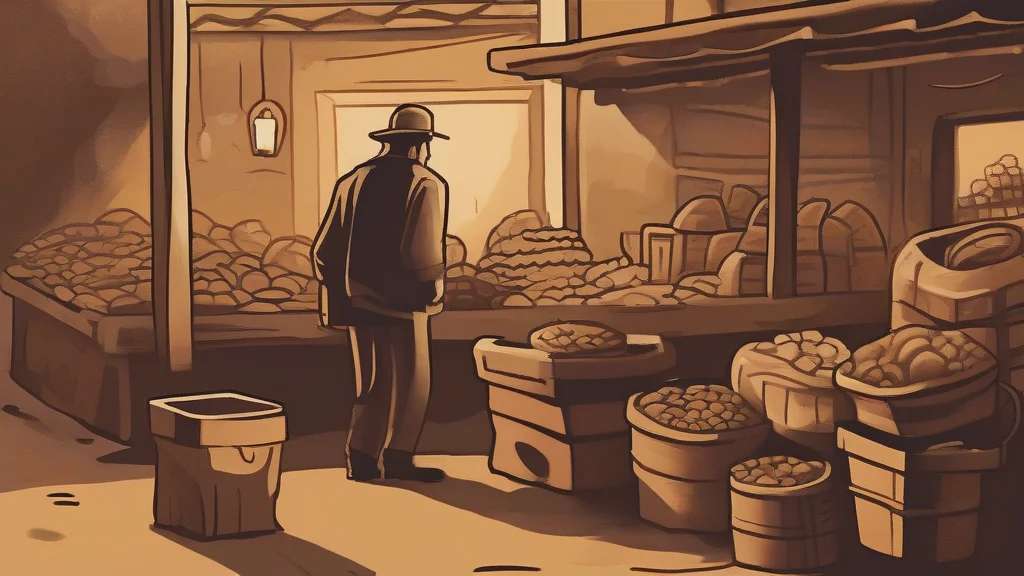
"The market was known for its hagglers, who offered dubious goods at suspiciously low prices."
The regular plural is “hagglers.”
"The two hagglers finally agreed on a price."
Add “-er” to haggle, and the person behind every prolonged price negotiation has a name.
Reviewed by Deb Chak, Editor. AI-assisted content curated by RJS Tech Solutions LLP.
Where does haggler come from?
“Haggler” is an English agent noun formed from “haggle” with the suffix “-er,” meaning a person who haggles. The verb “haggle” has Middle English origins, but its deeper historical derivation is uncertain, so no additional cognates should be asserted without qualification. The modern noun follows the ordinary English pattern of converting a verb into a designation for the person who performs the action.
How haggler is actually used
In modern use, “haggler” is mainly informal and may suggest persistent, tire-some bargaining. It is more common in British English, though it is also understood and used in American English. The older sense referring to a low-quality or dubious dealer is chiefly historical.
Easily confused with haggler
Haggle is the verb for negotiating or arguing over a price or agreement, whereas a haggler is the person who does the haggling.