
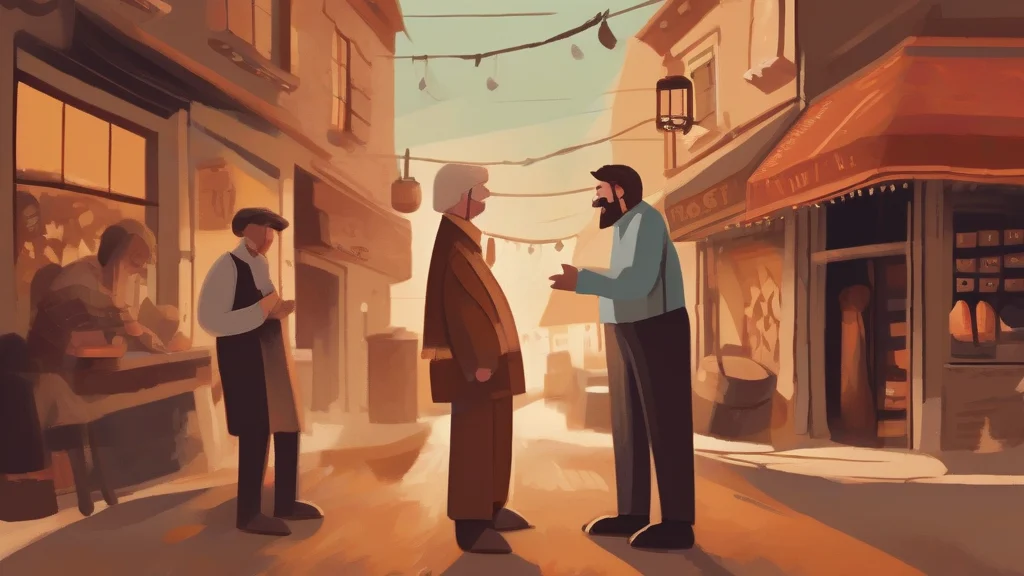
What does haggle mean?
Haggle means to bargain over a price or set of terms, and, by extension, to argue persistently about details. It is especially common in contexts involving buyers and sellers, such as negotiating with a market trader, requesting a discount, or discussing the terms of a contract. The word can also be used more generally for repeated disagreement, sometimes with the implication that the people involved are being excessively exacting: a committee may haggle over wording, or a family may haggle about what to have for dinner. As a noun, a haggle is a dispute conducted in this fashion. Haggling is typically associated with active, face-to-face negotiation and can suggest persistence, toughness, or an unwillingness to settle quickly. The verb is widely understood in both British and American English and is useful wherever the emphasis is on negotiating terms rather than simply making a straightforward agreement.
To bargain or negotiate, especially over a price, or to argue persistently over details or terms.
"The two sides haggled over the final price before reaching an agreement."
Commonly used with over, with, about, or for. It is neutral in register, though it may suggest persistence or contention.
An argument or disagreement, especially one conducted over prices, terms, or details.
"The negotiations turned into a prolonged haggle over the deposit."
The noun is less common than the verb and is often used in the plural.
The plural is used when referring to multiple disputes or negotiations.
"The final rounds of haggles ended shortly before the deadline."
Haggle has a history rooted in the hand: its Germanic ancestry connects bargaining, handling, and the hands-on art of negotiating a deal.
Reviewed by Deb Chak, Editor. AI-assisted content curated by RJS Tech Solutions LLP.
Where does haggle come from?
The word entered English in the early 17th century from Low German hanteln, meaning “to bargain” or “to haggle.” That form is historically connected with Dutch hanteren, “to handle,” and ultimately with the Germanic word for “hand.” The development reflects a history of negotiation and physical handling, followed in English by the modern sense of prolonged argument over price or details.
Related word forms
How haggle is actually used
The verb is neutral in register but often suggests prolonged, sometimes contentious bargaining. In its second sense, it can imply that the dispute concerns relatively minor matters and may carry a mildly dismissive or impatient tone.