
What does wrangle mean?
Wrangle is chiefly a verb meaning to argue or dispute, often with some heat or tenacity. It can also mean to struggle with a difficult person, problem, or situation, or to manage a complicated resource successfully. A related meaning refers to controlling livestock or animals, as in learning to wrangle cattle. The noun denotes an angry dispute or, less commonly, a physical struggle or contest. Wrangle is especially useful when describing arguments that require persistence rather than a brief exchange of opposing views. Its historical associations with wringing, twisting, and wrestling give it a slightly vivid quality: a wrangle can feel like a tug-of-war in which neither side is willing to yield. The word is common in British and American English and appears in both everyday conversation and descriptions of negotiations, technical problems, and institutional disputes.
To argue or dispute angrily, or to struggle with and manage something difficult. It can also refer to herding or controlling livestock.
"The two departments spent weeks wrangling over how the budget should be allocated."
In addition to its argument sense, the verb is widely used for persistent efforts to manage complicated data, resources, people, or situations.
An angry argument or dispute; less commonly, a physical struggle or contest.
"A mediator was called in to settle the wrangle between the two families."
The noun is less frequent than the verb and is now used chiefly for a contentious disagreement.
Used when referring to two or more separate arguments, disputes, or struggles.
"The newspaper's editorial page was devoted to the latest political wrangles."
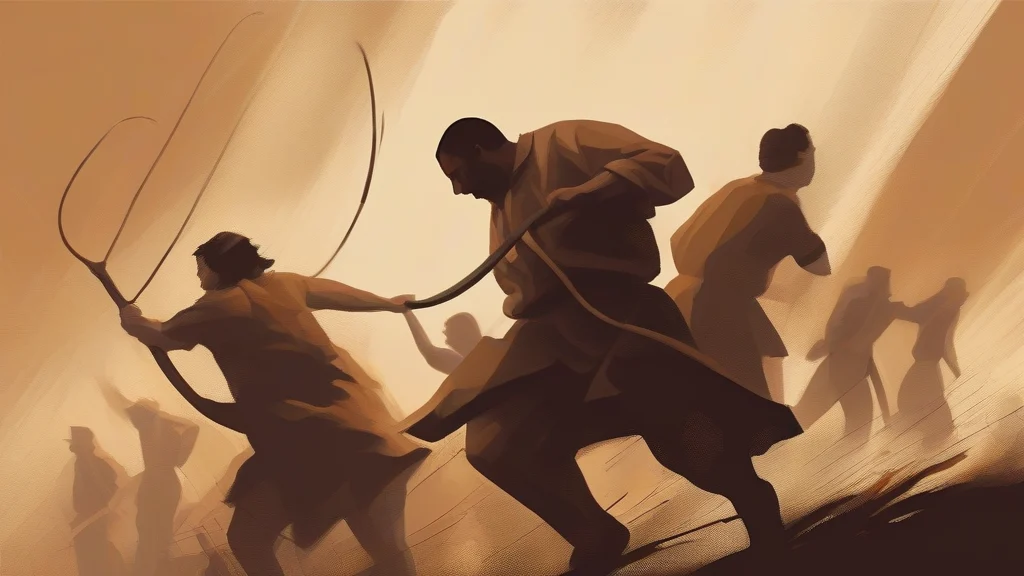
Wrangle’s roots are in wringing and wrestling—so a modern wrangle can still feel like a tug-of-war with words.
Reviewed by Deb Chak, Editor. AI-assisted content curated by RJS Tech Solutions LLP.
Where does wrangle come from?
Wrangle developed from Middle English wranglen, from Old English wrangian, meaning 'to wring, twist, or writhe.' Its early physical senses gradually extended to ideas of struggling and contentious dispute. It is related to English wring and to cognates such as German ringen and Dutch wringen.
Related word forms
How wrangle is actually used
The word is neutral in register, although its argument sense often implies a heated or protracted disagreement. In professional contexts, the management sense may be expressed more formally as 'manage,' 'coordinate,' or 'bring under control,' depending on the intended nuance.