
What does wrangler mean?
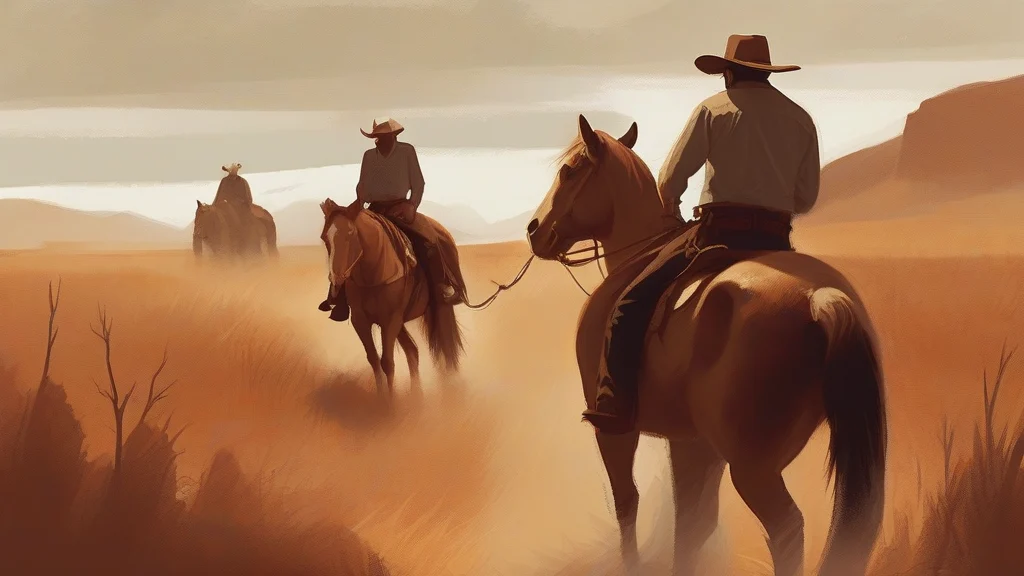
Wrangler is a noun with two closely connected meanings. Its traditional meaning is a person who handles and controls horses, cattle, or other livestock, particularly on a ranch; in this sense, it is associated with the American West, ranching, and cowboy culture. The word has also developed a figurative meaning: a wrangler is someone who manages a difficult problem, complicated process, or disorderly system. In modern workplaces and technical settings, phrases such as data wrangler and software wrangler describe people who make tangled information or intricate systems usable and manageable. The figurative use is informal but not pejorative, and it often carries a note of resourcefulness, persistence, and hands-on problem-solving. A wrangler may not solve every difficulty outright, but is the person who knows how to get a chaotic situation moving in the right direction.
nounA wrangler is a person who handles and controls horses, cattle, or other livestock, especially in ranching. By extension, it means a person who manages difficult problems, processes, or systems.
- A person who handles, controls, or tends horses, cattle, or other livestock, especially on a ranch.
- A person who manages a difficult situation, tangled process, or complicated technical system.
"When the horses broke through the fence, the wrangler calmly regrouped the herd."
"The cattle wrangler brought the scattered herd back to the enclosure before dusk."
"The team hired a software wrangler to untangle years of legacy data and brittle systems."
The standard regular plural is used for both the livestock worker and the figurative problem-solving role.
"Several experienced wranglers were hired to manage the cattle during the move."
A wrangler gets the herd moving—and, figuratively, gets knotty problems unstuck.
Reviewed by Deb Chak, Editor. AI-assisted content curated by RJS Tech Solutions LLP.
Where does wrangler come from?
The noun wrangler was formed from wrangle and the agent suffix -er. Wrangle developed from Old English wrangian, meaning “to wring, squeeze, or struggle,” and is related to the Germanic root also underlying wring and wringer. Its livestock sense developed through the idea of someone who controls or manages animals that may struggle or move unpredictably.
How wrangler is actually used
The livestock sense is especially associated with ranching and cowboy culture in the American West, but it is understood throughout the English-speaking world. The figurative sense is informal and often suggests someone who is energetic, persistent, and skilled at bringing disorder under control.
Easily confused with wrangler
A wrangler handles and controls livestock, whereas an angler fishes.