
What does halvah mean?
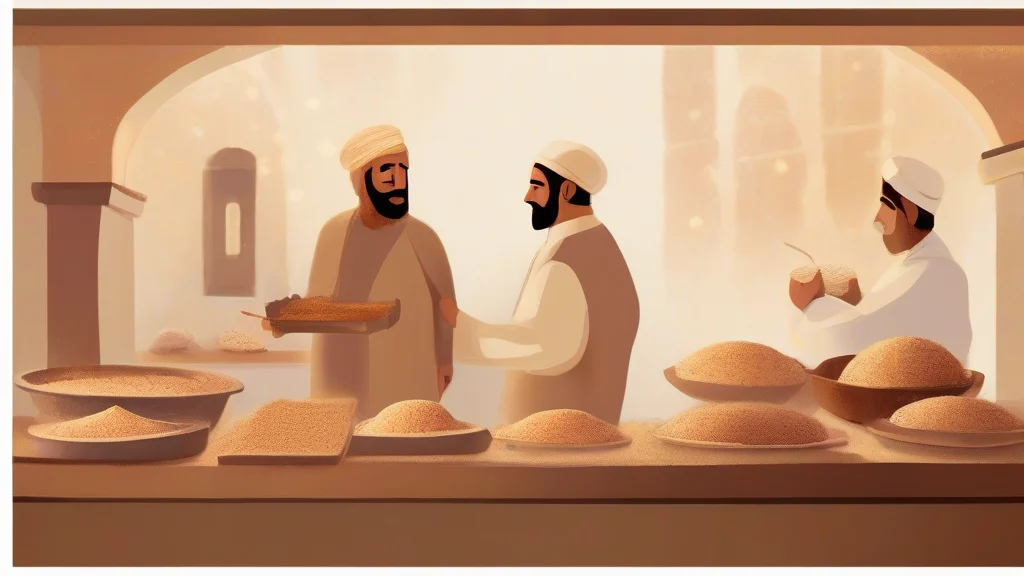
Halvah is a confection made primarily from ground sesame seeds, or tahini, combined with sugar and often flavored with ingredients such as nuts, honey, chocolate, spices, or rose water. Depending on the recipe, it may be soft and chewy, dense and crumbly, or enriched with other ingredients. It is especially associated with Middle Eastern, South Asian, and Sephardic cuisines, where it is commonly served with tea or coffee and is often included in the assortment of sweets offered at holidays and celebrations. The word entered English through Turkish halva, ultimately derived from Arabic ḥalwā, meaning "sweetness" or "sweets." Both halvah and halva are established English spellings, with usage varying by region and community. The term is useful beyond its culinary meaning because it identifies a distinctive preparation and a broad tradition of sesame-based sweets rather than any single standardized recipe.
nounA firm sweet confection made primarily from ground sesame seeds and sugar. It may also contain nuts, chocolate, spices, rose water, or other flavorings, and its texture can range from chewy to crumbly.
- A firm, crumbly or chewy sweet confection made from ground sesame seeds and sugar, often with nuts, spices, or other flavorings.
"We served halvah with strong coffee after dinner."
"She broke off a piece of halvah and tasted its delicate sesame flavor."
"The cookbook describes halvah as a rich confection traditionally served at festive meals."
Used when individual pieces or portions are counted; halvah is commonly used as a mass noun.
"The bakery displayed trays of halvahs dusted with sesame seeds."
Halvah's Arabic ancestor means "sweetness," an apt name for a confection celebrated across much of the Middle East and beyond.
Reviewed by Deb Chak, Editor. AI-assisted content curated by RJS Tech Solutions LLP.
Where does halvah come from?
The English word halvah comes through Turkish halva from Arabic ḥalwā, حلوى, meaning "sweetness" or "sweets." Related forms, including Persian halva and the variant halwa, developed within languages of the Middle East and Central Asia. The English culinary sense refers to a sweet confection made from ground sesame seeds and sugar, with many regional variations.
Related word forms
How halvah is actually used
The spelling varies regionally: both halvah and halva are established, and matching the preferred spelling of the relevant community or source is appropriate. In mass use, the name can refer to the confection generally; halvahs is used when individual portions or pieces are counted.
Easily confused with halvah
Halva and halvah are established variant spellings of the same word for a sesame-based confection rather than different foods.