
What does harness mean?
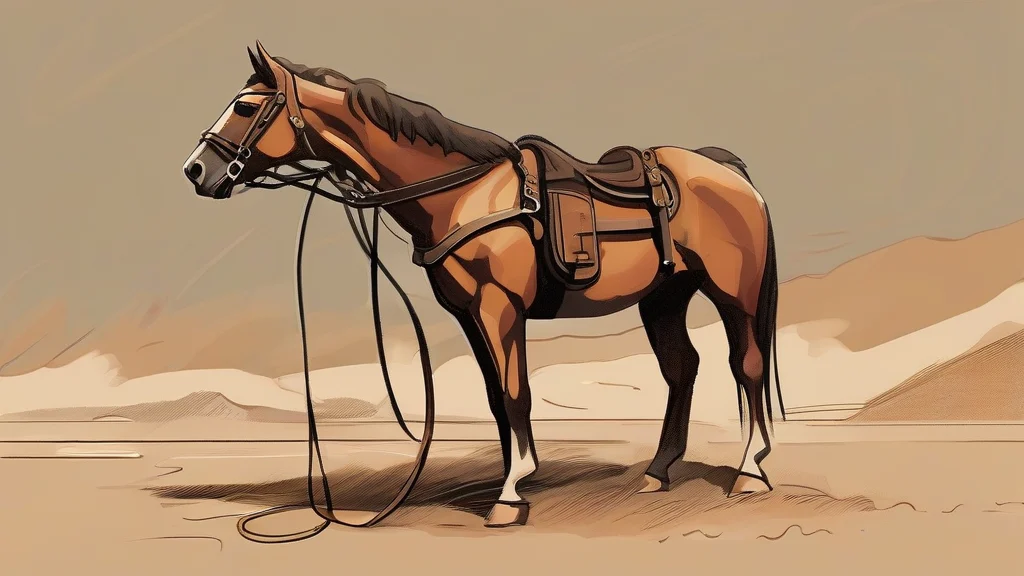
A harness is originally a set of straps and related fittings used to control a horse or another animal, secure a person, or connect someone or something to a load. The word has also long meant to control or restrain an animal by means of a harness. In modern usage, the figurative senses are especially important: to harness energy, talent, information, or power means to organize and make effective use of it. A company may harness data to improve its services, while a teacher may harness students' enthusiasm for a difficult subject. The word is neutral in tone but is often associated with practical, deliberate action. It is especially useful because it connects the physical idea of controlling an animal through straps with the broader concept of turning available force or potential into effective, organized activity.
A set of straps and fittings used to control or secure an animal or person, or to connect a person or load to something; figuratively, a means of controlling, directing, or mobilizing resources.
"The mountaineers checked every buckle on their safety harnesses before beginning the climb."
The concrete noun is standard in equestrian, safety, transport, and rescue contexts.
To put a harness on an animal or, figuratively, to control, direct, or make effective use of a resource or capacity.
"The new policy aims to harness local knowledge while giving communities greater control."
The figurative use is transitive and often occurs with resources, energy, power, data, talent, and creativity.
Used for multiple pieces of harness equipment or for multiple systems or resources described metaphorically.
"The rescue team replaced the damaged harnesses before lowering the climbers."
A word for horse gear became a metaphor for putting power under control—and later for harnessing energy, talent, and data.
Reviewed by Deb Chak, Editor. AI-assisted content curated by RJS Tech Solutions LLP.
Etymology of harness
The English word entered Middle English as harnes from Old French harnes, a term for horse equipment, with a Medieval Latin antecedent harnisia. Its deeper origins are Germanic, reflected in related historical forms such as Old High German harnis and Old Norse harnir, both associated with equipment or harness. The figurative meanings developed from the original concrete sense: just as a harness allows a person to control and direct an animal's power, the verb came to describe controlling and making effective use of other forces or resources.
Related word forms
How harness is actually used
The figurative verb is common in formal and professional contexts and usually suggests organizing or making effective use of something rather than simply controlling it. As a noun, the term is standard in equestrian, safety, transport, and rescue contexts.
Easily confused with harness
A bridle is the headgear and reins used to control a horse, whereas a harness is the broader set of straps fitted around the animal's body or used to pull a load.