
What does hazier mean?
Hazier is the comparative form of the adjective hazy, meaning more hazy or less clear. It is most commonly used to describe weather, sky, light, distance, or visibility: smoke may make a landscape hazier, while morning mist can leave a road hazier than it was. The word can also apply figuratively to memories, impressions, distinctions, and explanations that have become increasingly difficult to perceive or understand. Its ending in -ier is a regular English comparative form, so hazier is a grammatical inflection rather than an independent base word. In ordinary writing, it efficiently conveys a change over time, as in statements such as “The sky grew hazier” or “His explanation became hazier.” The word is equally natural in British and American English and carries no strongly marked regional or social connotations.
adjectiveMore hazy; less clear or distinct.
- Comparative of hazy: characterized by greater obscurity or reduced clarity.
"As smoke drifted across the valley, the distant mountains became hazier."
"The valley became hazier as morning mist settled over the fields."
"Her recollection of the conversation grew hazier over time."
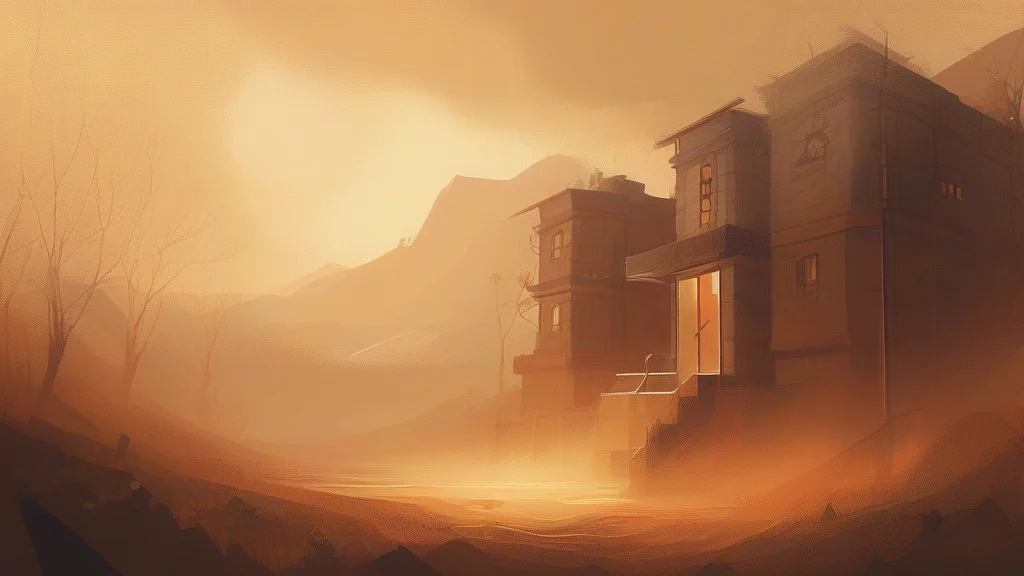
As smoke thickens, the skyline grows hazier—a small word for the moment when distant edges begin to disappear.
Reviewed by Deb Chak, Editor. AI-assisted content curated by RJS Tech Solutions LLP.
Where does hazier come from?
Hazier is an English comparative formed by adding -er to hazy, with the usual spelling change from y to i. Hazy itself was formed from the English noun haze with the adjective-forming suffix -y. The origin of haze is uncertain, but the word has long been used for atmospheric vapor and for conditions of reduced visibility or indistinctness.
Related word forms
How hazier is actually used
This is the standard comparative form of hazy. It is used especially for atmospheric conditions, light, visibility, and vision, but it can also describe anything that has become less distinct or harder to understand.