
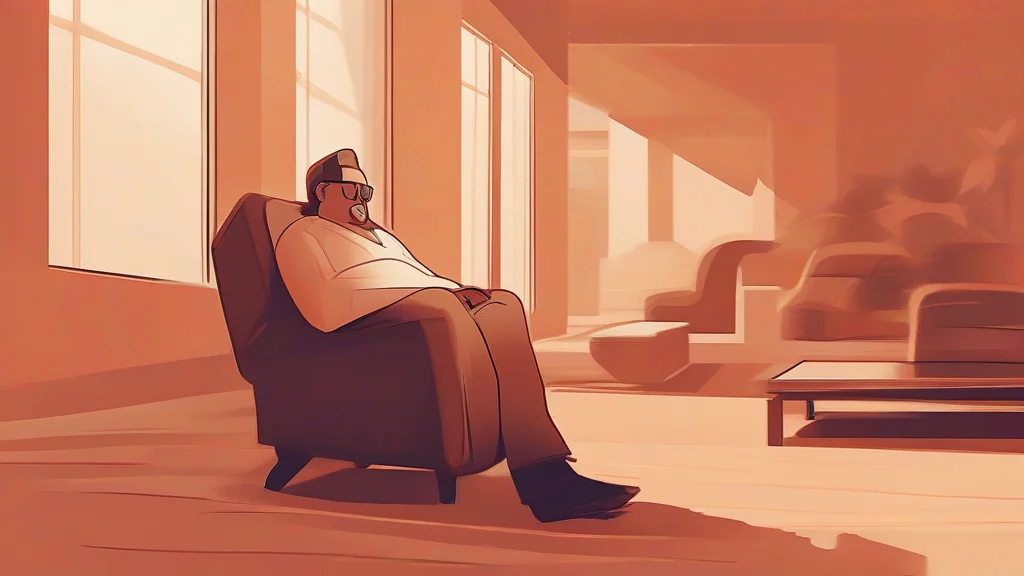
What does lazier mean?
“Lazier” is the comparative form of the adjective “lazy.” It describes someone or something as being more disinclined to work, make an effort, or undertake physical or mental activity than before or than someone else. The word commonly characterizes a person’s behavior but can also be applied more broadly to an animal or thing: “The cat became lazier after it was fed.” In everyday use, “lazier” often suggests a temporary decline in activity or motivation, though it can also make a more general criticism of someone’s habits. It is often paired with “than,” as in “he is lazier than his brother,” or used in coordinated comparisons, such as “slower and lazier.” The form is fully standard in both British and American English and is especially useful when a comparison of energy, effort, or willingness to act is intended.
adjectiveComparatively more disinclined to work, exert effort, or be active. It is the comparative form of “lazy.”
- More disinclined to work, exert effort, or undertake activity.
"As the afternoon grew longer, she became lazier and settled into a chair with a book."
"The longer he waited, the lazier he felt."
"Colder weather can make people lazier, although exercise often improves their mood."
One step less energetic than lazy: lazier.
Reviewed by Deb Chak, Editor. AI-assisted content curated by RJS Tech Solutions LLP.
Etymology of lazier
The word derives from the Old English adjective “læz,” meaning “idle” or “without work,” which was related to a wider Germanic tradition of words expressing inactivity or lack of exertion. Over time, the modern English form “lazy” developed, and its comparative “lazier” came to be used in the standard way for comparing degrees of this quality.
Related word forms
How lazier is actually used
This form is standard in both British and American English. It normally appears with a comparative context, often with “than,” or as the second part of a paired construction: “sleepier and lazier than yesterday.”