
What does headstock mean?
A headstock is a support or drive assembly positioned at the “head” of a machine or structure. Its best-known use is on a lathe, where it houses the spindle and its bearings, allowing the spindle to rotate the workpiece; a drill or boring machine may likewise have a headstock. In mining, the term can refer to hoisting equipment at the top of a shaft, while in more specialized or older mechanical usage it may denote the upper portion of a flagstaff, pole, or mast. The word is therefore chiefly technical rather than conversational, and its exact meaning depends on the machine, craft, or industry in which it occurs. Headstock is useful as a precise name for both a machine’s working head and a support structure located above a shaft or pole.
nounA headstock is a frame or assembly at the head of a machine or structure that holds or supports another component. Its commonest use is the spindle-bearing assembly of a lathe, but the term also occurs for drill supports, mine-shaft hoisting equipment, and the upper part of a flagstaff.
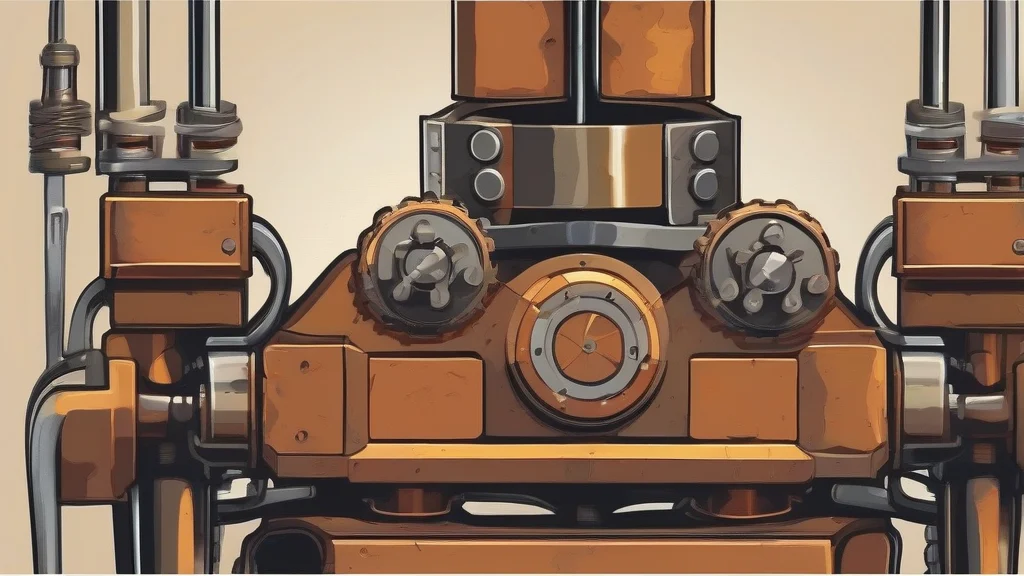
- The frame or assembly at the head of a lathe that contains the spindle and its bearings and often the drive mechanism.
- A support assembly carrying the spindle or drill in a drilling, boring, or similar machine tool.
- The hoisting apparatus at the head of a mine shaft.
- The upper part of a flagstaff, pole, or mast.
"The technician adjusted the headstock so that the lathe spindle was precisely aligned with the workpiece."
"The new headstock reduced vibration while the lathe was cutting the steel bar."
"At the mine, the headstock above the shaft contained the winding equipment used to raise the cage."
The regular plural takes the ending -s.
"Replacement headstocks were installed on two of the lathes."
In a lathe, the headstock drives the workpiece while the tailstock supports the other end—a small pair of names that maps an entire workshop.
Reviewed by Deb Chak, Editor. AI-assisted content curated by RJS Tech Solutions LLP.
Where does headstock come from?
Headstock is a transparent English compound formed from head and stock. Head comes from Old English hēafod, while stock in the sense of a post or supporting framework derives from Old English stoc. The compound uses “head” for the upper or forward end of a mechanism and “stock” for its supporting structure, a naming pattern reflected in the word’s later technical senses.
How headstock is actually used
The word is chiefly technical and normally occurs in mechanical engineering, machining, mining, or nautical and structural contexts. In mining, “headframe” may be preferred for the complete tower-like support structure, while “headstock” can refer more specifically to the winding apparatus at its top.
Easily confused with headstock
A headstock houses the driving spindle at the head of a lathe, whereas a tailstock is the adjustable support at the opposite end.