
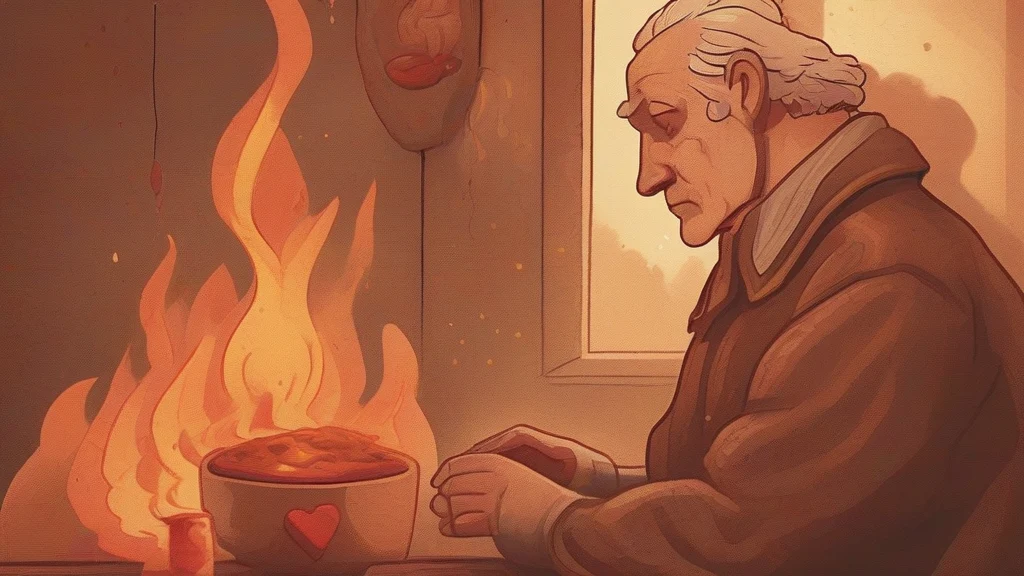
What does heartburning mean?
Heartburning denotes a deep, bitter feeling of resentment or indignation, usually provoked by a perceived injustice, betrayal, or humiliation. Unlike heartburn, which normally names the burning sensation associated with reflux, heartburning is predominantly figurative: it suggests anger and hurt held inside rather than a physical symptom. The word is chiefly literary and somewhat old-fashioned, and is often written with a hyphen, especially when it modifies another noun. It is more intense and morally charged than simple annoyance or disappointment. In careful prose, it can emphasize the enduring character of a grievance; in ordinary conversation, bitterness or resentment usually sounds more natural. Although the term may occasionally describe a burning sensation in the chest, that is not its dominant dictionary sense. Heartburning is therefore most useful in expressive and literary contexts, where it captures a grievance that feels acute, personal, and difficult to suppress.
nounA feeling of bitter resentment or indignation, especially when caused by a perceived injustice, betrayal, or humiliation.
- A deep feeling of bitter resentment or indignation, especially caused by a perceived wrong, betrayal, or humiliation.
"Years of heart-burning followed the disclosure, and the brothers did not speak again for months."
"Years of heart-burning followed the disclosure, and the brothers did not speak again for months."
"Her campaign against the corrupt judge was marked by heart-burning accusations and a demand for public apology."
Heartburning is normally used as an uncountable noun and does not require or commonly take a plural.
"Quiet heart-burning remained long after the argument had ended."
In its standard figurative use, heartburning is resentment smoldering inside—not acid reflux.
Reviewed by Deb Chak, Editor. AI-assisted content curated by RJS Tech Solutions LLP.
Etymology of heartburning
Heartburning is an English compound of heart and burning. Both elements are Germanic in origin: heart continues Old English heorte, while burn descends from Old English bærnan and its forms. The compound's principal sense is figurative, presenting resentment or indignation as an inward burning; heartburn is a closely related compound for the physical burning sensation in the chest. Its relatives include burn, burnt, burning, and heartburn.
How heartburning is actually used
The word is chiefly literary and somewhat old-fashioned, so bitterness or resentment may sound more natural in everyday speech. It is often written with a hyphen, particularly when it modifies another noun.
Easily confused with heartburning
Heartburning is chiefly a figurative expression for resentment or indignation, whereas heartburn usually denotes the physical burning sensation in the chest associated with acid reflux.