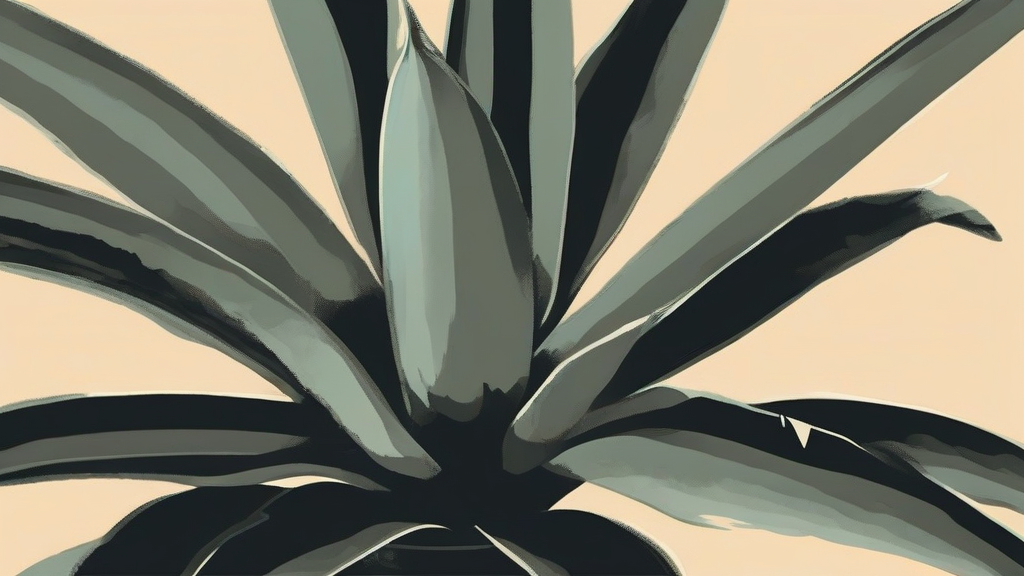
What does henequen mean?
Henequen is a type of agave plant native to Mexico and Central America. It is a species of agave that is cultivated for its fiber, which is used to make rope, twine, and other textiles. The henequen plant is a significant source of income for local communities in the Yucatán Peninsula. The fiber obtained from the henequen plant is used to make a variety of products, including rope, twine, and other textiles. Henequen is often used interchangeably with sisal, but the two terms refer to different types of agave plants. Henequen is typically used to refer to the plant itself, while sisal refers to the fiber obtained from the plant. The henequen plant has been a significant part of the local economy for centuries, and its fiber continues to be an important product in the region. The use of henequen and sisal has also had a significant impact on the environment, with many henequen plantations being established in areas that were previously forested. However, the cultivation of henequen has also provided a source of income for many local communities, and has helped to preserve the traditional knowledge and practices of the region. Overall, henequen is an important crop that has played a significant role in the economy and culture of Mexico and Central America.
A type of agave plant.
"The henequen plant is a type of agave that is commonly found in Mexico."
Henequen is often used interchangeably with sisal, but the two terms refer to different types of agave plants.
A fiber obtained from the agave plant.
"The henequen fiber is used to make rope and other textiles."
Henequen is typically used to refer to the fiber obtained from the plant, while sisal refers to the plant itself.
The plural form 'henequens' is used to refer to multiple henequen plants or fibers.
"The henequen plantations in the Yucatán Peninsula have been a significant source of income for local communities for centuries."
Reviewed by Deb Chak, Editor. AI-assisted content curated by RJS Tech Solutions LLP.
Etymology of henequen
The word 'henequen' is derived from the Mayan language, in which it is known as 'henequén'. The Mayans used the henequen plant to make rope and other textiles, and it was an important part of their economy and culture. The Spanish conquistadors adopted the use of henequen from the Mayans, and it became an important crop in Mexico and Central America. Today, henequen is still cultivated in many parts of Mexico and Central America, and its fiber is used to make a variety of products.
How henequen is actually used
Henequen is often used interchangeably with sisal, but the two terms refer to different types of agave plants. Henequen is typically used to refer to the plant itself, while sisal refers to the fiber obtained from the plant.