
What does herbalism mean?
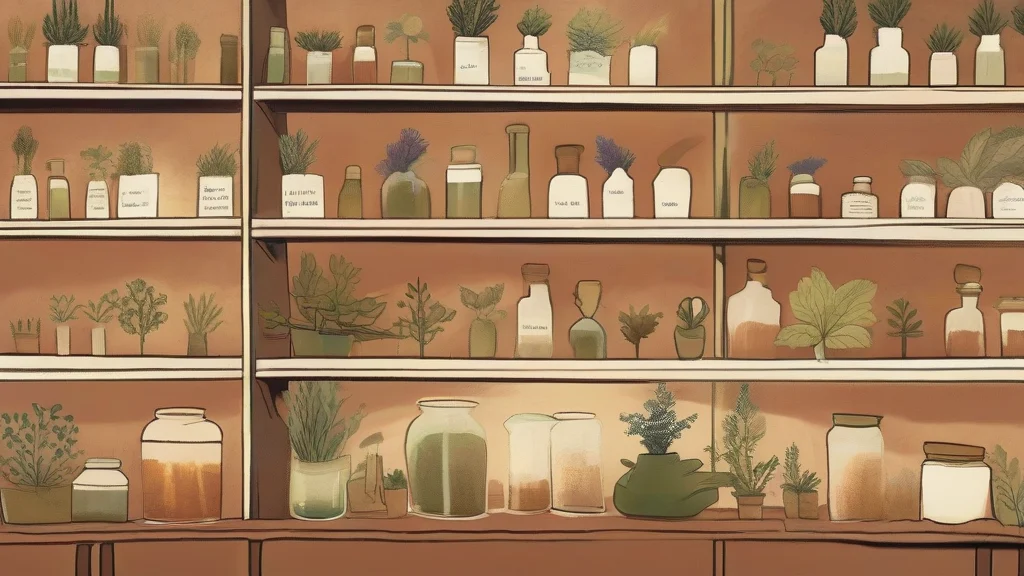
Herbalism denotes the practice and study of using plants, plant extracts, and other plant-derived preparations as medicines. The term commonly evokes traditional systems of healing, including Chinese, Ayurvedic, Indigenous, and European herbal traditions, although its precise meaning depends on context. Herbalism can also refer to the historical study of medicinal plants and their use in treating illness. In contemporary discussion, it is sometimes contrasted with evidence-based pharmacology or conventional medical treatment, but the word itself does not determine whether a particular remedy is safe or effective. Historical herbal traditions contain a wide range of knowledge, practices, and remedies, some supported by scientific research and others not. Herbalism is a useful word because it links botany, medicine, culture, and history while distinguishing the medicinal use of plants from the general study of vegetation.
nounHerbalism is the traditional practice and study of using plants and plant-derived preparations for medicinal purposes.
- The medicinal use of plants and plant-derived preparations, especially within a traditional or established system of healing.
- The historical study or theory of medicinal herbs and their therapeutic uses.
"She studied herbalism and learned how generations of her family prepared remedies from local plants."
"Traditional herbalism relies on carefully prepared remedies made from plants and other natural materials."
"Her lectures on the history of herbalism trace how botanical knowledge has shaped different systems of medicine."
This plural is grammatically correct but is rarely needed because herbalism is normally treated as an uncountable noun.
"Herbalisms from different cultures incorporate distinctive local plants and preparation methods."
Long before modern pharmacology, herbalism made the garden a kind of pharmacy.
Reviewed by Deb Chak, Editor. AI-assisted content curated by RJS Tech Solutions LLP.
Where does herbalism come from?
Herbalism was formed in English from the adjective herbal and the suffix -ism, which forms nouns denoting a practice, doctrine, or distinctive system. Herbal derives from Latin herbālis, an adjective based on herba, meaning “plant” or “herb.” Related English words such as herbarium, herbaceous, and herbivore also trace back to the same Latin root.
Related word forms
How herbalism is actually used
Herbalism is normally an uncountable noun. It often has historical or traditional connotations and may contrast plant-based healing with pharmaceutical medicine, without itself making a claim about medical effectiveness. British speakers commonly use /ˈhɜːbəlɪzəm/, while the usual American pronunciation includes an r-sound in the first syllable.
Easily confused with herbalism
Herbology is the study and classification of herbs, whereas herbalism specifically concerns the medicinal use of plants and plant preparations.