
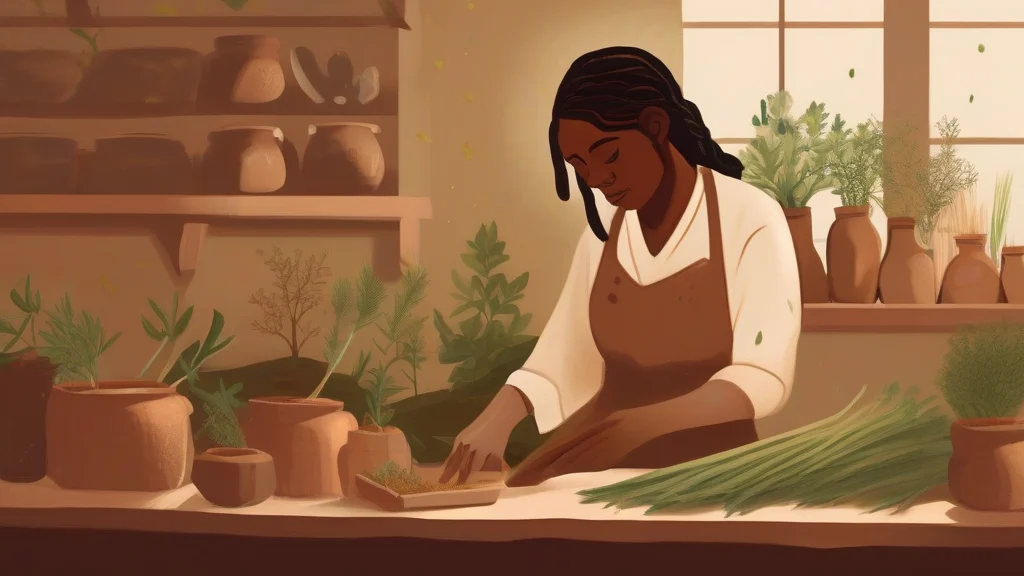
What does herbalist mean?
A herbalist is someone who studies, prepares, recommends, or historically sold herbs, especially plants traditionally used for medicinal purposes. The word most commonly refers to a practitioner or knowledgeable specialist in herbal medicine, although older usage can also describe an herb grower or dealer. In contemporary contexts it is often associated with traditional, folk, or alternative approaches to health, and it does not necessarily indicate a formally regulated medical qualification. The term is broader and less narrowly professional than “pharmacist”: a pharmacist is trained and legally authorized to prepare and dispense medicines, while a herbalist may work with plants and traditional preparations outside that formal system. Historically, herbalists were important transmitters of practical knowledge about plants, remedies, and the identification of useful natural materials. In this sense, the word links modern interest in herbal medicine with the older craft of herb cultivation, preparation, and trade.
nounA herbalist is a person who studies the medicinal properties of plants and uses or recommends herbs as remedies. Historically, the term also referred to someone who cultivated, prepared, or sold herbs.
- A person knowledgeable about the medicinal uses of plants and herbs, whether for advising others, preparing remedies, or selling herbal preparations.
- Historically, a person who grew, gathered, prepared, or sold herbs, especially medicinal herbs.
"She consulted a herbalist about a traditional preparation for seasonal allergies."
"The herbalist carefully identified several dried plants before preparing the remedy."
"A page from a sixteenth-century manuscript describes the work of an herbalist who supplied remedies to local households."
The standard plural is “herbalists.”
"The two herbalists exchanged notes about the plants growing in the valley."
From the healer of plants to the keeper of herbal wisdom, “herbalist” preserves a profession rooted in humanity’s oldest partnership with the natural world.
Reviewed by Deb Chak, Editor. AI-assisted content curated by RJS Tech Solutions LLP.
Where does herbalist come from?
“Herbalist” was formed in English from “herbal,” meaning “of or relating to herbs,” together with the suffix “-ist,” which denotes a practitioner or specialist. “Herbal” is an English derivative of “herb,” ultimately from Latin “herba,” meaning “herb, plant, or green crop.” The resulting word developed in the early modern period, when herbal medicine and the trade in medicinal plants were prominent in European life.
How herbalist is actually used
In modern usage, “herbalist” usually denotes someone associated with herbal medicine or traditional plant-based remedies. It may sound traditional, folkloric, or connected with alternative medicine, and it should not be assumed to imply a regulated medical qualification.
Easily confused with herbalist
A herbalist is a person who works with or advises about medicinal herbs, whereas herbalism is the practice or tradition of using plants for healing.