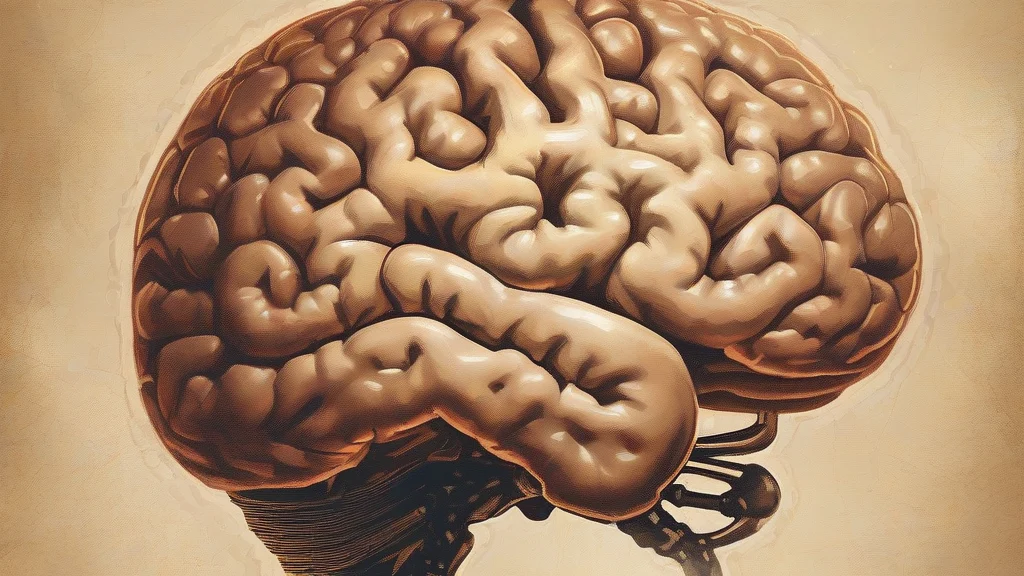
What does hindbrain mean?
The hindbrain is a vital part of the brain that connects to the spinal cord and regulates many of the body's automatic functions, including breathing, heart rate, and blood pressure. It comprises the medulla oblongata, pons, and cerebellum, and plays a crucial role in maintaining the body's homeostasis. The hindbrain is a complex structure that is essential for the body's survival, and damage to it can result in serious health problems. Understanding the hindbrain is important for fields such as medicine, neuroscience, and psychology.
nounThe hindbrain is the posterior part of the brain, which connects to the spinal cord and comprises the medulla oblongata, pons, and cerebellum. It controls many automatic functions such as breathing, heart rate, and blood pressure.
- The posterior part of the brain that connects to the spinal cord.
- The part of the brain that controls automatic functions such as breathing and heart rate.
"The hindbrain plays a crucial role in regulating the body's autonomic functions."
"The hindbrain is responsible for controlling many of the body's automatic functions."
"Damage to the hindbrain can result in serious health problems, including respiratory failure."
The plural form 'hindbrains' is used in technical or formal contexts, such as in anatomy or neuroscience.
"The study of hindbrains in different species reveals interesting variations in structure and function."
Reviewed by Deb Chak, Editor. AI-assisted content curated by RJS Tech Solutions LLP.
Etymology of hindbrain
The term 'hindbrain' originated in the late 19th century, from the combination of 'hind-', meaning 'at the back', and 'brain'. The hindbrain is so named due to its location at the posterior part of the brain.
How hindbrain is actually used
The term 'hindbrain' is typically used in formal or technical contexts, such as in anatomy, neuroscience, or medicine.