
What does honeybee mean?
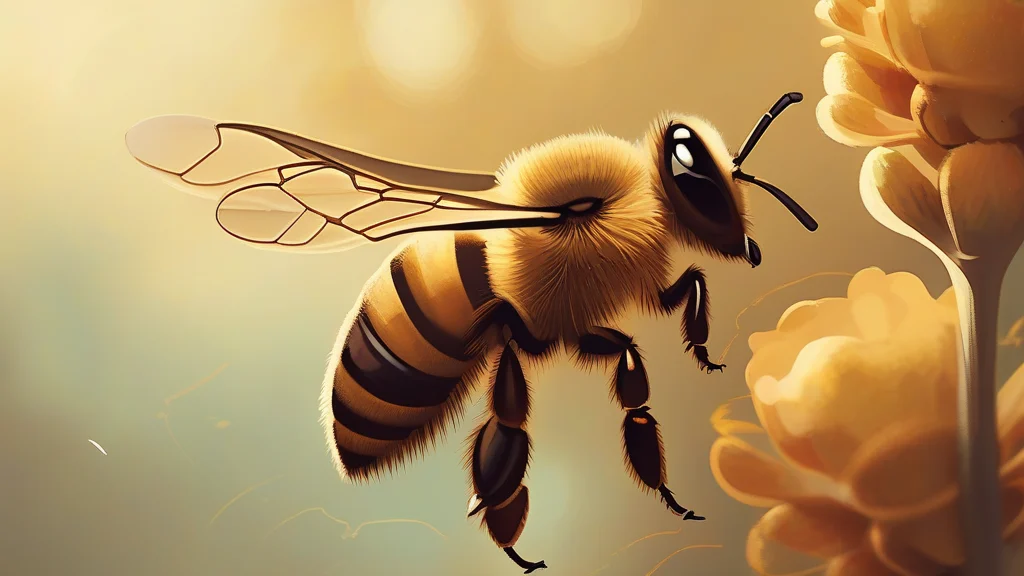
A honeybee is a social bee that collects nectar and produces honey, most commonly referring to the western honeybee, Apis mellifera. These bees live in colonies containing a queen, workers, and drones, and they communicate through scent, movement, and vibration. Honeybees also have major agricultural importance because they pollinate many flowering crops and wild plants. The word combines the English words “honey” and “bee,” both of which have Old English origins. While people often keep honeybees for honey production, the insects’ most widespread ecological role is pollination. The familiar image of a honeybee moving between flowers captures both the species’ close relationship with plants and its importance to food systems, making the word useful whenever a discussion turns to honey, colonies, or the work of bees.
nounA honeybee is a bee that produces honey, especially the common western honeybee, Apis mellifera, kept by beekeepers for honey and pollination. The term can also refer more broadly to bees that collect nectar and make honey.
- A bee that produces honey, especially the common western honeybee.
"A honeybee landed on the lavender before the hive filled with sound."
"The honeybee returned to the hive carrying pollen on its legs."
"Farmers brought honeybee hives to the orchard to improve pollination."
The standard plural is “honeybees,” written as one word.
"Several honeybees hovered around the fruit trees."
A single honeybee may visit millions of flowers, but it takes roughly two million flowers to make just one teaspoon of honey.
Reviewed by Deb Chak, Editor. AI-assisted content curated by RJS Tech Solutions LLP.
Where does honeybee come from?
“Honeybee” is an English compound formed from “honey” and “bee.” “Bee” continues Old English bē, while “honey” comes from Old English hunig; the compound therefore combines two long-established English words. Related forms such as “beehive,” “beekeeper,” and “honeycomb” share the same underlying bee vocabulary. The modern word refers chiefly to the western honeybee, Apis mellifera, while the language retains the broader idea of a honey-making bee.
Related word forms
How honeybee is actually used
In everyday use, “honeybee” usually refers specifically to the western honeybee, although it may sometimes be used generically for honey-making bees. It is distinct from the broader term “bee,” which includes many species that do not produce honey.
Easily confused with honeybee
A honeybee produces honey and commonly lives in a managed hive, whereas a bumblebee is a larger, often hairy bee that generally nests in the ground and makes only small amounts of honey.