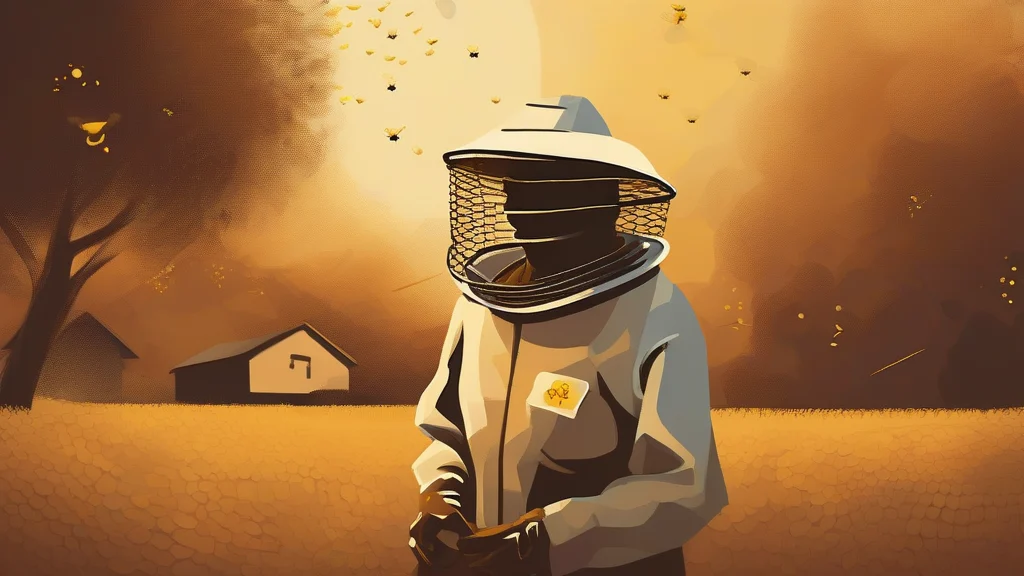
What does beekeeper mean?
A beekeeper is a person who keeps and cares for colonies of honeybees, most often housing them in wooden or polystyrene hives that can be opened, inspected, and harvested. Beekeepers tend their colonies to produce honey, beeswax, and other hive products, but many also keep bees to provide pollination services for crops or simply out of interest in supporting declining pollinator populations. The work involves seasonal management: feeding bees through lean months, controlling pests such as varroa mites, preventing swarming, and taking care during harvest not to harm the colony. Practitioners range from hobbyists with a single backyard hive to commercial operators managing thousands of colonies that are trucked across regions to pollinate orchards and fields. While the more formal terms 'apiarist' and 'apiculturist' exist among specialists, 'beekeeper' is the common, neutral word understood by everyone. It carries broadly positive connotations of patience, stewardship of nature, and quiet skill.
nounA person who keeps and tends colonies of honeybees, typically in hives, for the production of honey and other hive products or for pollination services.
- A person who owns or tends honeybee colonies, usually in managed hives, for honey production, crop pollination, or conservation.
"The beekeeper lifted the frame from the hive, its cells glistening with fresh honey."
"The beekeeper wore a veil and gloves as she inspected the hive for signs of disease."
"As an urban beekeeper, he kept two hives on the rooftop of his apartment building."
The standard plural is regular; it refers either to multiple individuals who keep bees or, collectively, to practitioners as a group.
"Local beekeepers gathered at the county fair to compare honeys and share techniques."
Every drop of honey you've ever eaten passed through the hands of a beekeeper who got stung so you wouldn't have to think about it.
Reviewed by Deb Chak, Editor. AI-assisted content curated by RJS Tech Solutions LLP.
Etymology of beekeeper
The word 'beekeeper' is a straightforward English compound formed from 'bee', a native Germanic word dating back to Old English ('bēo'), and 'keeper', from the verb 'keep'. Such compound formations arose naturally as beekeeping became an established practice in medieval and early modern England. Related terms include 'apiarist', derived from Latin 'apis' meaning bee, which entered English much later via the scientific study of apiculture. Cognates of the 'bee' element appear throughout the Germanic languages, reflecting the long shared history of beekeeping in northern Europe.
Related word forms
How beekeeper is actually used
The word is neutral in register and used widely in both casual and professional contexts. Among practitioners, the more technical term 'apiarist' is sometimes preferred, while 'beekeeper' remains the everyday, universally understood term.
Easily confused with beekeeper
A birdkeeper cares for birds in aviaries, whereas a beekeeper specifically manages colonies of honeybees.