
What does horror mean?
Horror is a strong noun for an intense feeling of fear, dread, or revulsion, especially when something is frightening, shocking, or morally disturbing. It commonly appears in expressions such as “in horror” and “with horror,” where it describes a person’s emotional reaction rather than a specific object. The word can also mean a deeply upsetting event or circumstance, and it names a genre of literature, film, or other media concerned with fear and the supernatural. Its force comes from suggesting not merely an unpleasant experience but a profound disturbance of the senses or emotions. Horror is therefore more emotionally and atmospherically charged than ordinary “fear,” while remaining similar in basic meaning to “dread” and “terror.”
An intense feeling of fear, dread, or revulsion; a deeply disturbing event; or a genre concerned with fear and the supernatural.
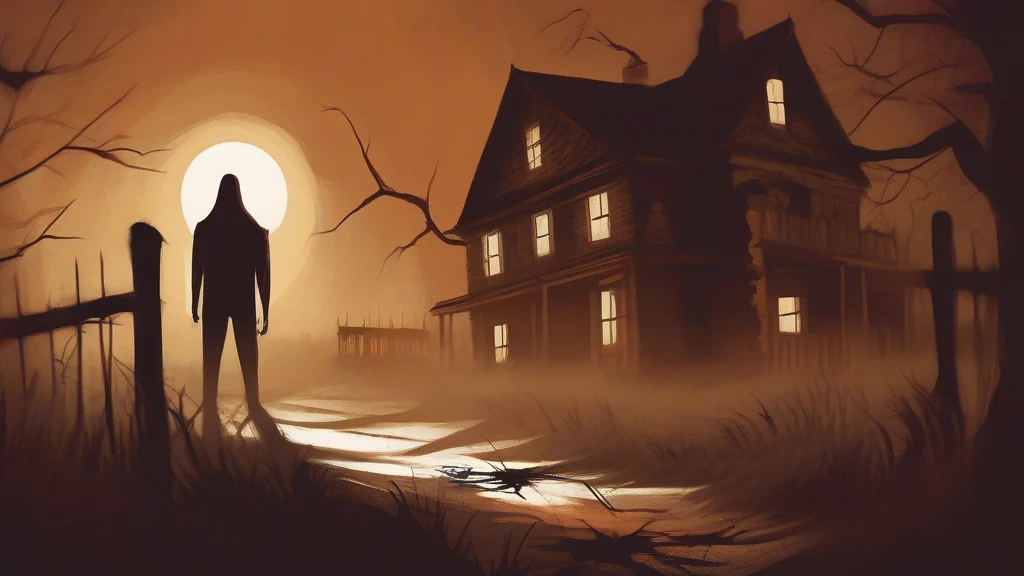
"The abandoned house was filled with silence and horror."
The abstract feeling is normally uncountable: “in horror,” “with horror,” and “a feeling of horror.” Countable use usually refers to a disturbing thing or event, as in “the horrors of war.”
To feel intense fear, shock, or revulsion at something.
"The audience horror at the sudden appearance of the creature."
This use is relatively uncommon and literary; it is especially familiar in the expression “horror at,” while the more usual verb is “be horrified by.”
Usually used for individual things or experiences that are profoundly disturbing, especially in expressions such as “the horrors of” and “the full horrors of.” The abstract feeling “horror” is generally uncountable.
"The documentary explored the horrors of the conflict."
From the Latin horrēre, meaning “to shudder,” horror originally described the physical act of recoiling before it became a word for fear, shock, and the macabre.
Reviewed by Deb Chak, Editor. AI-assisted content curated by RJS Tech Solutions LLP.
Where does horror come from?
The word entered English in the late Middle English period through Old French horror, ultimately from Latin horror and horrēre, “to shudder” or “to tremble with fear.” Its early sense centered on a feeling of shuddering or extreme apprehension. Over time, the word developed the broader meanings of a terrible shock, a disturbing experience, and a genre designed to provoke fear.
How horror is actually used
In its first sense, horror is usually an uncountable noun, as in “in horror” or “a feeling of horror.” The countable form “a horror” can refer to a disturbing event or experience. “Horror” is also used attributively in phrases such as “horror film” and “horror story.”
Easily confused with horror
Horror often emphasizes a feeling of intense fear or revulsion, whereas terror more commonly suggests extreme fear or a deeply threatening situation.