
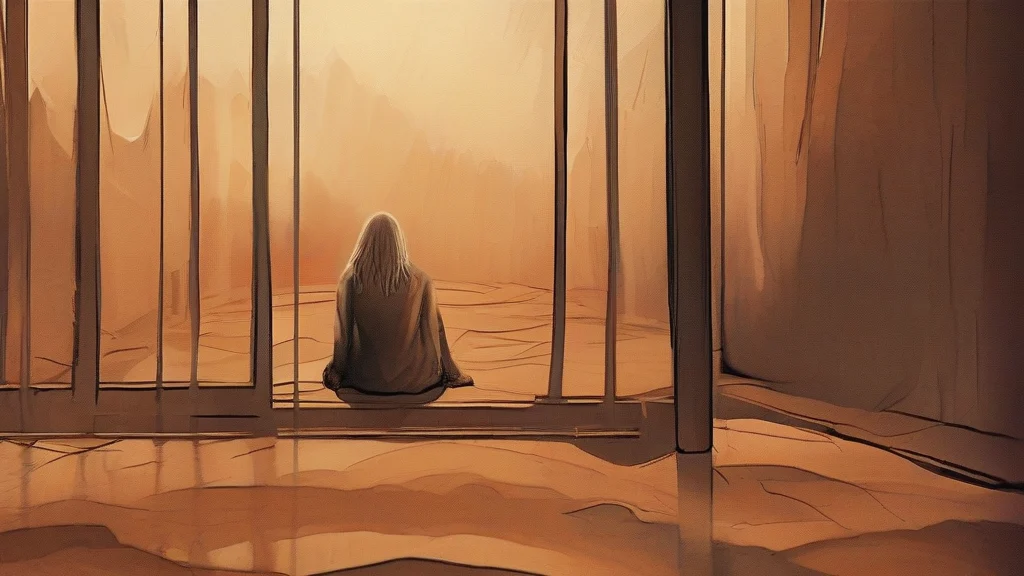
What does trepidation mean?
Trepidation is a formal noun meaning a state of nervous fear and agitation, especially when something important or uncertain is approaching. It often suggests both mental unease and a physical sense of restless excitement, as when a performer faces an audience or a traveler waits for difficult news. In ordinary conversation, “anxiety” or “nervousness” may be more natural, but trepidation lends the feeling a more elevated, literary tone and can convey heightened anticipation rather than ordinary worry. The word is especially common in formal prose and descriptions of suspenseful situations. Although it can appear in the plural, it is normally used in the singular. Its long Latin ancestry also makes it a useful example of how a word for general agitation developed a more specifically emotional meaning.
nounA state of nervous fear or anxiety, often accompanied by agitation, restlessness, or heightened anticipation.
- A state of nervous fear, anxiety, or agitation, especially in response to uncertainty or an anticipated event.
"She opened the letter with a palpable sense of trepidation."
"There was some trepidation in the laboratory as the results were examined."
"The prospect of addressing parliament filled him with trepidation."
The plural is grammatically correct but rarely needed; trepidation is normally used in the singular.
"The children's trepidactions before the thunder faded as the storm passed."
From Latin for restless agitation to today's literary name for nervous fear: trepidation turns the flutter of anxiety into elegant English.
Reviewed by Deb Chak, Editor. AI-assisted content curated by RJS Tech Solutions LLP.
Where does trepidation come from?
Trepidation was borrowed into English from Latin trepidatio, a noun meaning “agitation” or “disturbance.” It was formed from trepidare, “to stir, bustle, or be agitated,” a root that also underlies trepid, trepidate, and trepidity. The Latin sense included physical agitation, while modern English use emphasizes nervous fear, anxiety, and uneasy anticipation.
How trepidation is actually used
Formal to literary in tone. It is more elevated than everyday words such as “worry” or “nervousness” and often conveys a mixture of fear, uncertainty, and physical restlessness. In casual writing, it can sound exaggerated or overdrawn.