
What does howlet mean?
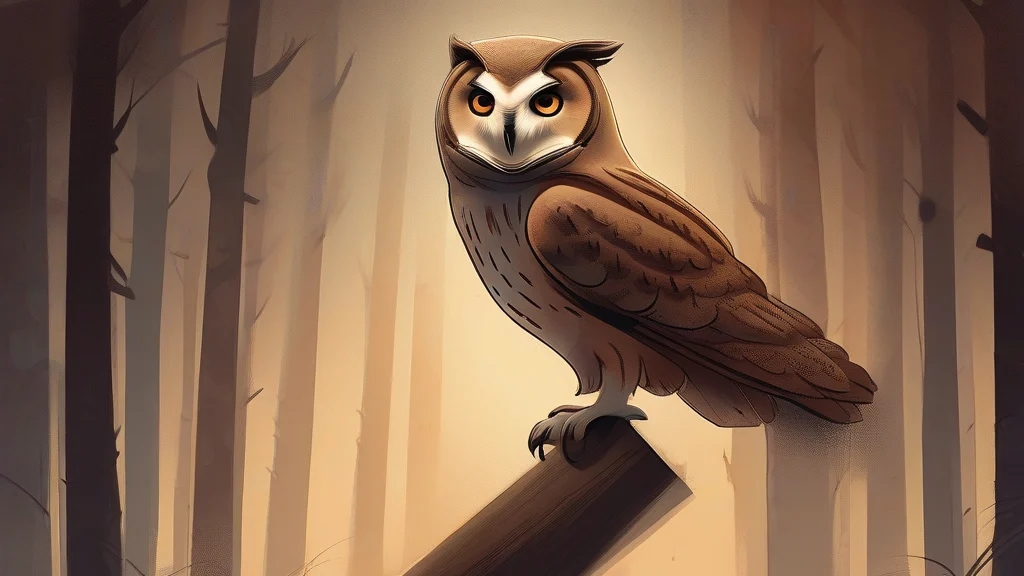
A howlet is a small owl. The word is now uncommon and is chiefly found in older English, northern British usage, and Scottish English, whereas “owlet” is the more usual modern term. It describes an owl by its small size and does not necessarily refer only to a newly hatched bird, though it naturally evokes the image of a young or diminutive owl. In literature, the word often lends a slightly storybook or archaic atmosphere to descriptions of owls and woodland scenes. Its unusual history comes from the combination of an old word for an owl with a diminutive ending. The resulting form captures both the bird’s identity and its smallness in a single, memorable word. Although modern speakers will usually choose “owlet” or the plain phrase “little owl,” “howlet” remains useful in historical writing and for its distinctive sound and associations with old forms of English.
nounA small owl. The word is now chiefly historical or regional, with “owlet” being the more usual modern synonym.
- A small owl.
"A tiny howlet called from the old oak tree."
"The forest was quiet apart from the hooting of a distant howlet."
"In the old story, a watchful howlet guides the traveller through the dark wood."
The regular plural is howlets, though the word itself is rare.
"The naturalist recorded several howlets nesting in the cliffs."
A howlet is literally a little “how”—because “how” was once another word for an owl.
Reviewed by Deb Chak, Editor. AI-assisted content curated by RJS Tech Solutions LLP.
Where does howlet come from?
Howlet was formed from the old word how, meaning “owl,” together with the diminutive ending -let. The resulting noun became established in Middle English and continued in Scots and northern English. Its relatives include the modern word “owl,” the diminutive “owlet,” and the regional noun “hooter”; “owlery” was also formed from the same basic vocabulary.
Related word forms
How howlet is actually used
This is a rare word, chiefly associated with older, northern British, and Scottish English. In modern general English, “owlet” is more familiar.