
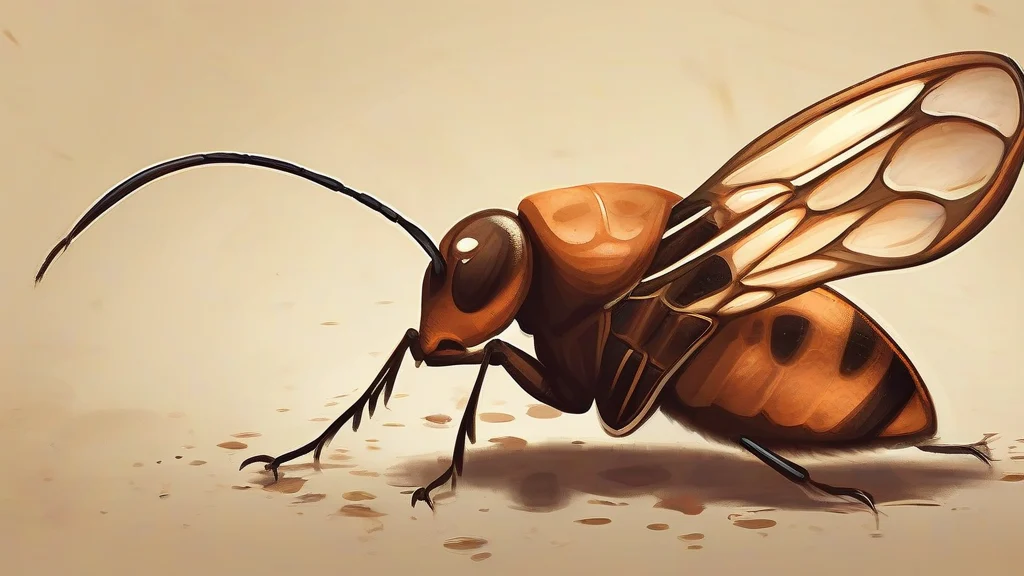
What does insectivore mean?
An insectivore is an animal that feeds mainly on insects. The word is used in general zoology for creatures such as shrews, moles, hedgehogs, and some other small mammals, as well as for birds, reptiles, and other animals with insect-based diets. It can also refer, in older classifications, to the mammalian order Insectivora, a traditional grouping that included shrews, moles, hedgehogs, and their relatives. That grouping has largely been abandoned in modern taxonomy because its members do not form a single natural evolutionary branch. The adjective “insectivorous” describes an animal or organism that eats insects, while “insectivory” names the habit itself. In everyday British usage, “insectivore” is particularly associated with small mammals such as the shrew, although the broader zoological sense remains accurate. The word is useful for describing both diet and a distinctive feeding strategy centered on insects.
nounAn animal that feeds primarily on insects. The term was also formerly used as the name for the mammalian order now generally called Eulipotyphla, which includes shrews, moles, hedgehogs, and related animals.
- An animal that feeds primarily on insects.
- A member of the former mammalian order Insectivora, a group that included shrews, moles, hedgehogs, and related mammals.
"The mole is a subterranean insectivore with a highly developed sense of touch."
"Several species of small insectivore inhabit the woodland floor."
"In older zoological classifications, the hedgehog was treated as an insectivore."
The usual plural is formed by adding -s; the plural form is used when referring to more than one insect-eating animal.
"Shrews and moles are insectivores found in many parts of Europe."
The word “insectivore” also names one of the great evolutionary experiments of mammal history: a body plan built around finding insects in soil, leaf litter, and water.
Reviewed by Deb Chak, Editor. AI-assisted content curated by RJS Tech Solutions LLP.
Where does insectivore come from?
The English word combines “insect,” from Latin insectum, with the combining form “-vore,” from Latin vorare, meaning “to devour.” The suffix was used to form words such as carnivore and herbivore before being applied to insect-eating animals. Related English forms include the adjective “insectivorous” and the noun “insectivory,” both of which continue the Latin-derived root meaning “eating” or “devouring.”
Related word forms
How insectivore is actually used
In modern biology, “insectivore” is used broadly for an insect-eating animal, while the former taxonomic term “Insectivora” has largely been abandoned because the group was not evolutionarily unified. The word is more common in British English, where “insectivore” also commonly refers to a member of the former mammalian order.
Easily confused with insectivore
“Insectivore” is a noun naming an animal, whereas “insectivorous” is an adjective describing an animal or organism that eats insects.