What does jiver mean?
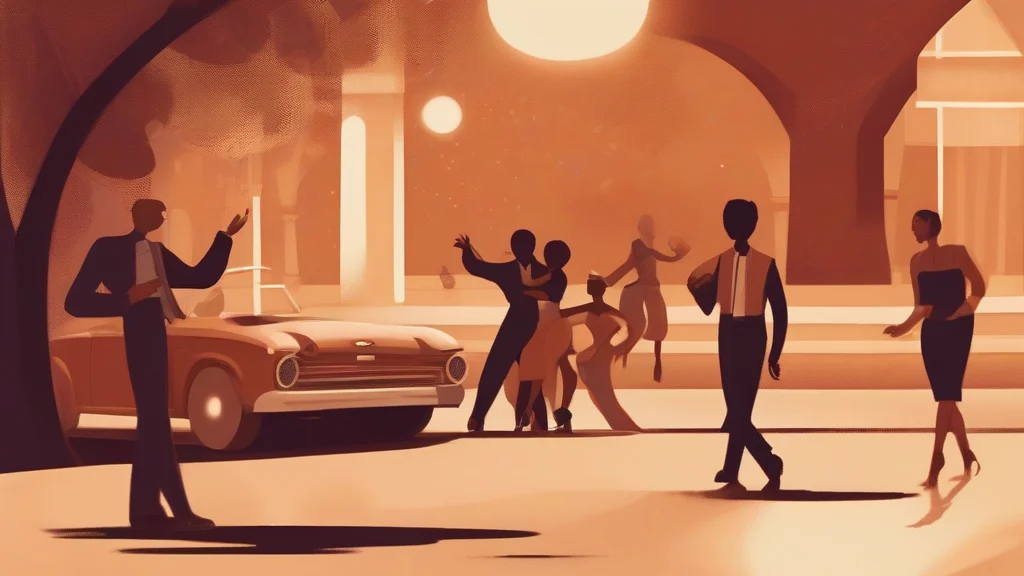
A jiver is a person who enjoys or actively participates in jive music or dance. This term is often associated with the lively and energetic culture of the 1940s and 1950s, characterized by its distinctive swing rhythms and carefree dance moves. Jivers are typically enthusiasts who appreciate the spontaneity and creativity of jive, often frequenting dance halls or social gatherings where this music is played. The term captures a sense of fun and exuberance, reflecting the vibrant social scene that jive music and dance helped to create. Understanding what a jiver is provides insight into the cultural significance of jive in American history.
nounA person who enjoys or plays jive music, or someone who dances the jive.
- A person who enjoys jive music or dance
- A skilled jive dancer
"The jiver spun his partner around the dance floor with a smooth move."
"The jiver's moves were so smooth, she won the dance competition."
"He was known as the best jiver in town, always getting the party started."
countable, used to refer to multiple individuals who enjoy or participate in jive music or dance.
"The jivers took over the dance floor, filling it with their energetic moves."
Reviewed by Deb Chak, Editor. AI-assisted content curated by RJS Tech Solutions LLP.
Etymology of jiver
The term 'jiver' originates from 'jive,' a style of music and dance that emerged in the United States in the 1940s. The word 'jive' itself is believed to have derived from African American Vernacular English, with possible connections to the slang term 'jive talk,' meaning nonsense or foolish talk. Over time, 'jiver' came to describe individuals who enjoyed or excelled at this form of music and dance.
How jiver is actually used
Informal term, often used in the context of 1940s-50s music and dance.