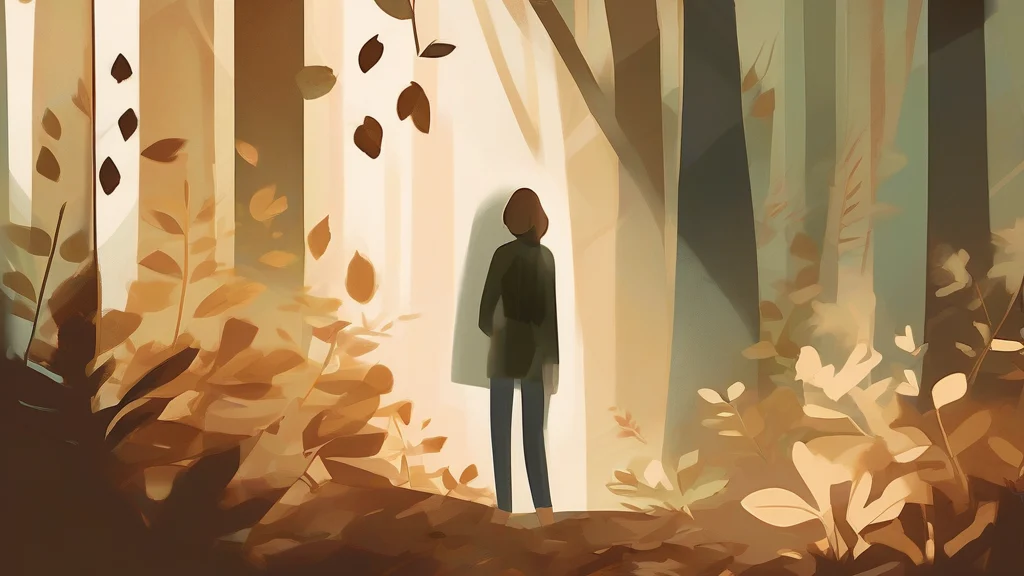
What does leafiness mean?
Leafiness refers to the quality of being leafy or having a lush, green appearance. It is often used to describe plants, gardens, or areas with dense foliage. This term is particularly useful in contexts where the visual or aesthetic appeal of greenery is being discussed. For instance, a gardener might aim to increase the leafiness of their plants by providing them with more water or nutrients. In a broader sense, leafiness can also be used to describe the natural beauty of a forest or park. Overall, leafiness is a useful term for anyone interested in gardening, horticulture, or environmental conservation.
nounThe quality of being leafy or having many leaves. It refers to the lushness or greenery of a plant or area.
- The state of having many leaves.
- A measure of how leafy something is.
"The leafiness of the forest made it a perfect spot for a picnic."
"The leafiness of the trees provided shade from the sun."
"The garden's leafiness was due to the regular watering and fertilization."
Reviewed by Deb Chak, Editor. AI-assisted content curated by RJS Tech Solutions LLP.
Etymology of leafiness
The term 'leafiness' is derived from the word 'leaf', which has its roots in Old English 'lēaf', related to German 'Laub' and Dutch 'loof'. The suffix '-iness' is added to form a noun indicating a quality or state.
How leafiness is actually used
This term is often used in gardening, landscaping, and environmental discussions.