
What does lingerer mean?
A lingerer is a person who stays, delays, or carries on longer than expected. The word often suggests that departure is being postponed, whether because the person is reluctant to leave, engaged in conversation, or simply has no urgent reason to go. In another use, a lingerer can be someone who remains in a place or situation for a prolonged period, such as a visitor lingering at a café or a topic that continues to attract attention. The expression is more literary or mildly humorous than the everyday verb “linger,” and its tone ranges from affectionate and playful to disapproving, depending on who is doing the lingering and why. It is especially useful for describing people who turn a temporary visit into an extended stay.
nounA person who lingers, especially someone who delays leaving, departing, or settling down. The word can also refer generally to someone who remains or continues to be present for a longer time than expected or intended.
- A person who delays leaving or departing.
- A person who remains or continues to be present longer than expected.
"The lingerer at the back of the room seemed reluctant to leave."
"The lingerer continued to make small talk long after the meeting had ended."
"By midnight, the only lingerer in the quiet café was the owner, wiping down the counter."
The plural is formed by adding -s.
"The lingerers eventually left the station and boarded the last train."
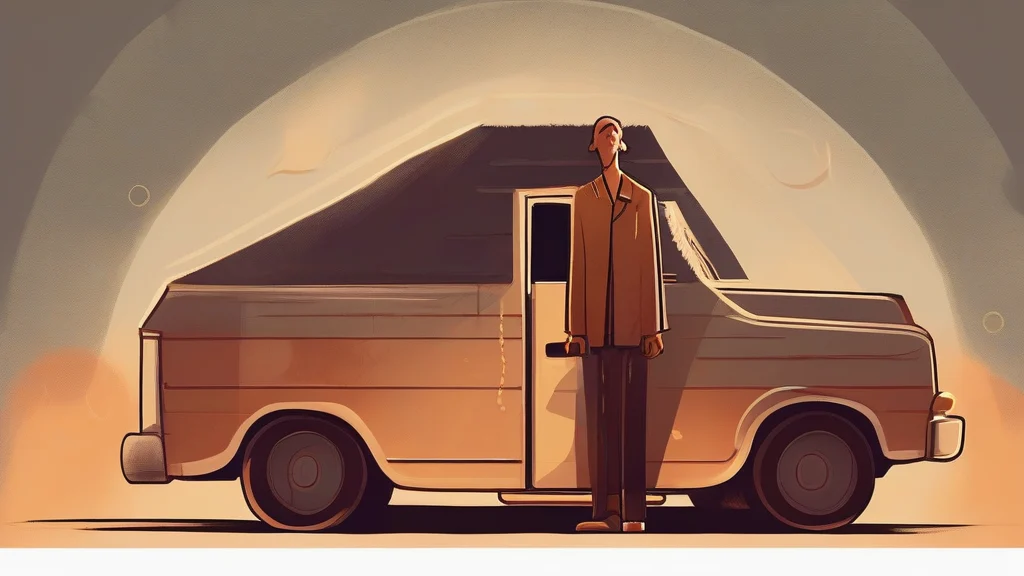
A lingerer turns a brief stop into a small act of suspense: the door is open, the conversation continues, and leaving becomes the difficult part.
Reviewed by Deb Chak, Editor. AI-assisted content curated by RJS Tech Solutions LLP.
Where does lingerer come from?
“Lingerer” is formed from the English verb “linger” with the suffix “-er,” meaning a person who lingers. “Linger” developed from Middle English forms related to Old English “lengian,” ultimately associated with a Germanic root meaning “to be long” or “to delay.” The word shares that Germanic ancestry with modern cognates in languages such as German and Dutch, while the English noun “long” reflects a related historical root.
Related word forms
How lingerer is actually used
The term is relatively uncommon in everyday speech but is useful when emphasizing delay, reluctance to leave, or continued presence. It can sound mildly critical or humorous, depending on context.
Easily confused with lingerer
A lingerer delays leaving or remains longer than expected, whereas a lounger idles or relaxes without any particular intention to depart.