
What does ranger mean?
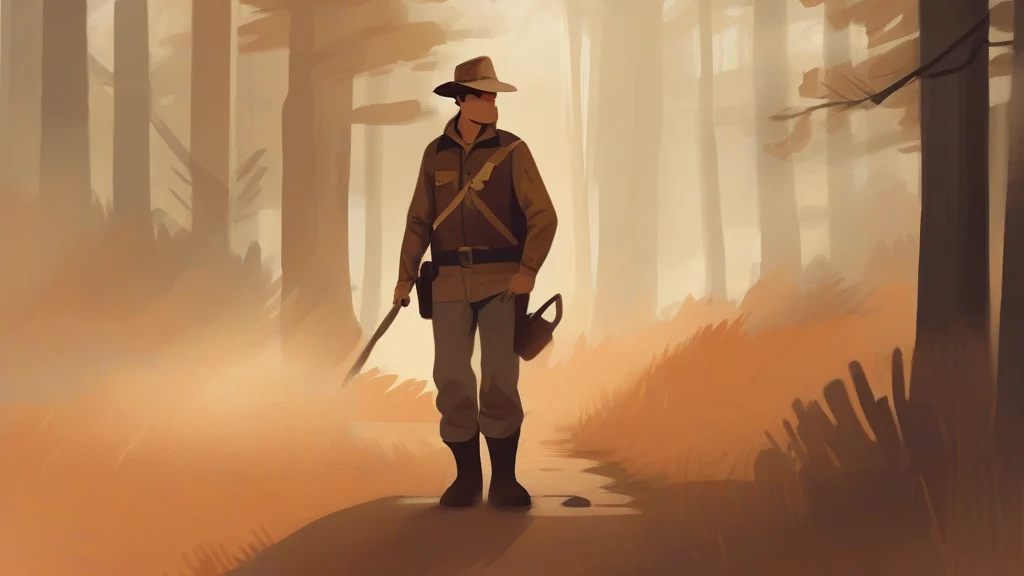
A ranger is an official who protects and manages parks, forests, wildlife, and other natural areas. Rangers patrol public lands, monitor endangered species, provide information to visitors, enforce environmental regulations, and respond to safety or environmental concerns. The word can also refer to a member of a specialized United States military unit trained for reconnaissance, difficult terrain, and direct combat operations. Historically, rangers were keepers of forests, particularly royal forests in Britain, who protected game and enforced hunting laws. Today, “ranger” evokes independence, outdoor knowledge, and responsibility for a large territory, while the military sense conveys mobility, vigilance, and specialized training. Although its duties and context vary, the central idea is consistent: a ranger travels through and safeguards a particular area.
nounA ranger is an official who protects and manages public lands, wildlife, or natural resources. In the United States, the term also denotes a member of a military unit trained for reconnaissance, patrols, and combat operations.
- An official responsible for protecting wildlife, natural resources, and visitors in a park or other public or protected area.
- A member of a United States military unit trained to conduct reconnaissance, long-range patrols, and other specialized operations.
- Historically, a keeper of a royal forest who enforced hunting laws and protected the forest and its game.
- A person who ranges over an area, especially one who travels or explores freely.
"The ranger led the hikers along a marked trail and explained how to protect the nesting grounds."
"A park ranger checked the trail conditions and helped visitors identify local plants."
"Army rangers moved quietly through the forest while the rest of the unit prepared to secure the valley."
Used for multiple individual officials or soldiers; it may also form part of the name of a military unit or organization.
"The rangers spent the morning tracking injured wildlife near the river."
From hunting in an open range to protecting wilderness and joining elite military units, a ranger has always been defined by moving through the territory entrusted to them.
Reviewed by Deb Chak, Editor. AI-assisted content curated by RJS Tech Solutions LLP.
Etymology of ranger
The word entered Middle English through Anglo-Norman and Old French forms connected with ranging, hunting, and moving across an extended area. It originally referred especially to a person who ranged over ground, particularly one who hunted and protected forest resources. Over time, the word developed into an occupational title for forest and park officials, while the related English words range and ranging preserved the sense of moving or extending over an area. The military sense developed in the nineteenth century, when it came to designate soldiers trained to operate over difficult terrain and conduct reconnaissance.
How ranger is actually used
In conservation contexts, the term usually denotes an employee or official of a protected area. Its military sense is especially associated with the United States Army, while capitalized references to units such as the Texas Rangers may denote an organization rather than an individual.