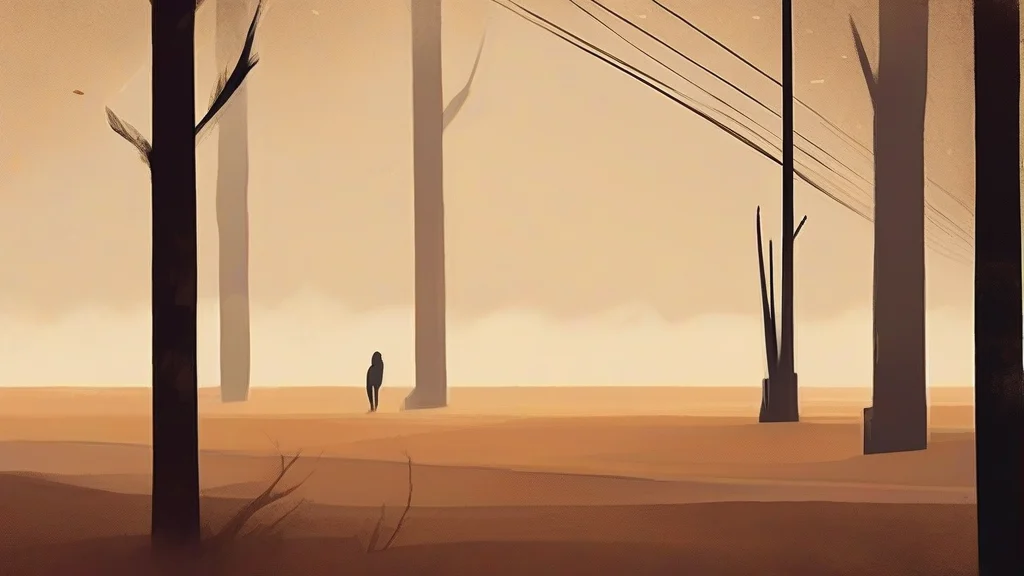
What does lonelier mean?
The word lonelier is the comparative form of the adjective lonely, which describes a state of being solitary or isolated. When something or someone is described as lonelier, it means they are more isolated or solitary than before or in comparison to something or someone else. This can be used to describe a person who is experiencing a greater sense of loneliness, or a place that is more remote or deserted. The word is often used in a variety of contexts, including literature, poetry, and everyday conversation. Understanding the nuances of lonelier can help convey complex emotions and ideas.
comparative adjectiveComparative form of lonely, meaning more solitary or isolated.
- Describing a greater degree of isolation or solitude.
- Comparative form used to describe a person or place that is more lonely than another.
"As she walked through the deserted streets, she felt lonelier than ever before."
"The rural town was lonelier than the bustling city."
"After moving away from her family, she felt lonelier than she expected."
Reviewed by Deb Chak, Editor. AI-assisted content curated by RJS Tech Solutions LLP.
Etymology of lonelier
The word lonelier originates from the adjective lonely, which has its roots in the Old English word 'lán', meaning ' solitary' or 'alone'. The comparative form lonelier emerged in the 14th century, and has been used in English since then to describe a greater degree of isolation or solitude.
How lonelier is actually used
Often used to describe a person who is experiencing a greater sense of loneliness than before, or in comparison to someone else.