
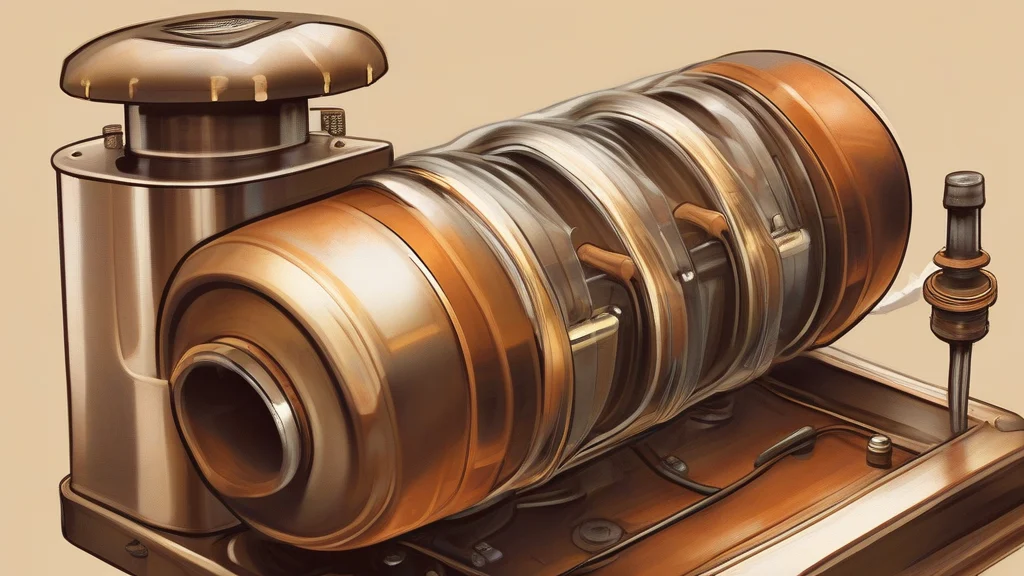
What does lubricator mean?
A lubricator is something that applies oil, grease, or another substance to reduce friction and wear, especially between moving parts of a machine. It may be a mechanical device, such as an automatic or central lubrication system, or a substance used to lubricate machinery. Less commonly, “lubricator” refers to a person or thing that eases the movement of a process, as when a mediator is described as helping negotiations proceed smoothly. The term is most natural in technical, engineering, and maintenance contexts, where the distinction between the lubricator and the lubricant is important: the lubricant is the material, while the lubricator is the device or agent that supplies or spreads it. Figurative uses are literary and relatively uncommon, but the image is memorable because even complex systems depend on reducing friction to function well.
A device or substance that applies lubricant to machinery or another surface to reduce friction and wear.
"The lubricator was adjusted to deliver a steady flow of oil."
Common in engineering and industrial contexts.
A person or thing that makes a process or interaction easier by reducing friction or obstacles.
"The new policy served as a lubricator for cooperation between the departments."
Figurative and relatively literary.
The plural is used when referring to multiple lubricating devices, systems, or people.
"The technicians inspected all the lubricators before the production run."
A lubricator turns a noisy, grinding machine into a smooth-running one—often preventing a small oil film from becoming a major repair bill.
Reviewed by Deb Chak, Editor. AI-assisted content curated by RJS Tech Solutions LLP.
Where does lubricator come from?
The word comes from Latin lubricare, meaning “to make slippery” or “to oil,” with lubricator meaning “one that lubricates.” It entered English through the family of words associated with lubrication and later developed a mechanical sense for devices that apply oil or grease. Its figurative use reflects the traditional metaphor of making movement or cooperation easier.
How lubricator is actually used
The word is most often used in technical and industrial contexts. The figurative sense is relatively uncommon and literary, while the person-denoting sense is more frequent in older usage.
Easily confused with lubricator
A lubricator applies or supplies a lubricant, whereas a lubricant is the oil, grease, or other substance that reduces friction.
A lubricator is a noun naming a device or substance, while lubricate is the verb describing the act of applying lubricant.