
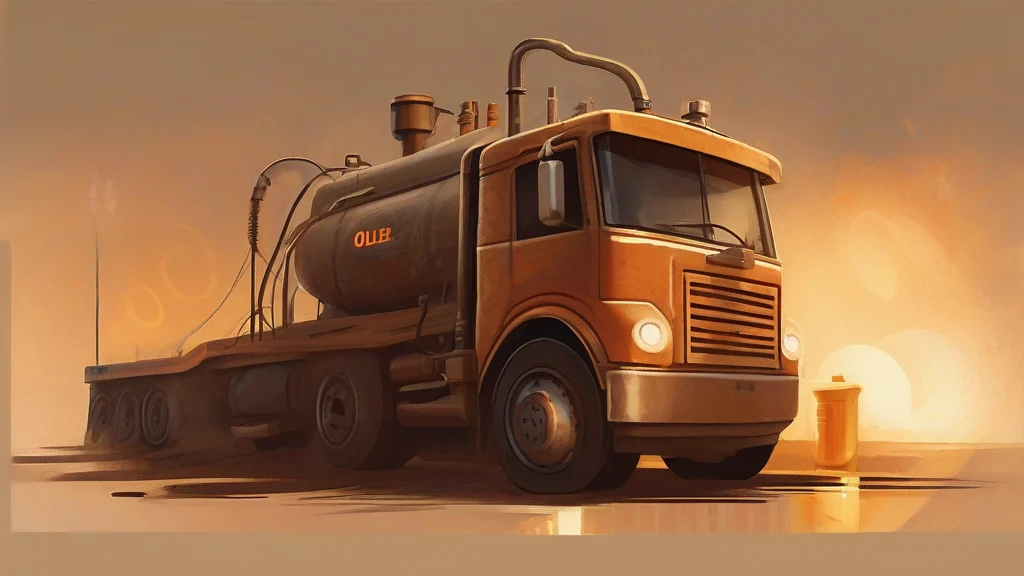
What does oiler mean?
An oiler is a person, device, or, in some specialized contexts, vessel associated with supplying or applying oil. Its most familiar use is as a worker who lubricates engines and other machinery, but the word can also denote an oil can, an automatic lubricating device, lubricating oil itself, or a ship engaged in transporting and supplying oil. The term is especially associated with mechanical, railway, nautical, and industrial settings, where regular lubrication helps reduce friction, wear, and mechanical failure. In everyday conversation, people are more likely to say “lubricator” or simply describe the person as an oiling worker. Understanding “oiler” requires noticing the surrounding context, because a single English word can refer either to the act of oiling or to the equipment and supplies involved in it.
A person employed to oil or lubricate machinery, especially engines.
"The oiler inspected the engine and applied fresh lubricant to its moving parts."
The term is especially associated with industrial, railway, and mechanical work and may sound dated in some settings.
A device or container used to apply lubricating oil to machinery.
"He filled the long-spouted oiler with clean machine oil."
In technical contexts, this can also refer to an automatic lubricator.
In specialized historical or industrial usage, a lubricating oil supply or a vessel that transports and supplies oil.
"The harbor records list the vessel as an oiler serving the nearby docks."
This sense is relatively rare outside specialized, nautical, and historical contexts.
The plural is used for multiple workers, devices, or oil-supply vessels.
"The engine shed employed several oilers to maintain the locomotives."
From an oil can to a supply ship, an oiler can refer to several different things connected with keeping machinery or vessels supplied with oil.
Reviewed by Deb Chak, Editor. AI-assisted content curated by RJS Tech Solutions LLP.
Where does oiler come from?
The word was formed in English by adding the suffix “-er” to “oil,” producing a noun for a person or thing that oils or lubricates. The English word “oil” comes through Old English from Latin oleum, a borrowing associated with olive oil; the Latin word is related to Greek elaion. The modern sense expanded beyond human workers to include mechanical devices and, in specialized usage, oil supplies and oil-carrying vessels.
Related word forms
How oiler is actually used
The word is relatively uncommon in general modern English but remains common in technical, industrial, and historical contexts. Its precise meaning depends on the industry and period.