
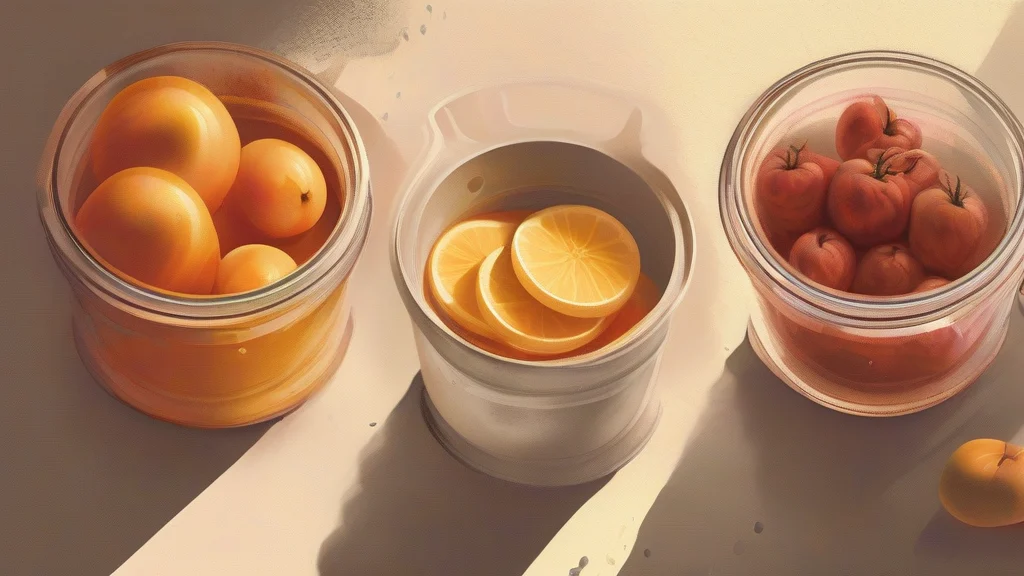
What does maceration mean?
Maceration is the softening or breakdown of a material after it has been soaked in liquid. The process may be used to swell plant material, loosen a hard substance, or draw soluble components into a liquid, as when roots or seeds are steeped before distillation. The word can also have a biological meaning: the gradual disintegration of bodily tissue, especially following prolonged immersion or other destructive changes. It is more precise than a general word such as “soaking” because it usually implies a purposeful chemical or physical breakdown rather than simply placing something in water. Maceration is encountered in botany, food preparation, extraction, forensic science, and medicine. In general writing, it sounds technical and should normally be reserved for a process in which liquid causes a material to soften, swell, or separate.
nounThe process of softening a substance by soaking it in liquid, often to separate its components or prepare it for further treatment. In biology, the term also describes the breakdown and disintegration of bodily tissue.
- The act of soaking a material in liquid so that it softens, disintegrates, or yields a soluble extract.
- The biological breakdown and disintegration of tissue, especially after prolonged immersion or other destructive processes.
"The dried seeds were left to macerate in warm water before being strained."
"Maceration of the roots in warm water helped release their aromatic oils."
"The report described extensive maceration of the tissues caused by prolonged exposure to moisture."
Plural forms are uncommon because the word normally refers to a single process in a particular context.
"The two macerations required several days to complete."
Liquid and time do the breaking: a tough material becomes soft, swollen, and ready to give up its useful parts.
Reviewed by Deb Chak, Editor. AI-assisted content curated by RJS Tech Solutions LLP.
Where does maceration come from?
The word entered English in the early 17th century from Latin maceratio, a noun derived from macerare, meaning “to make soft by soaking.” The Latin root also underlies emaciate, meaning “to make thin or waste away,” through the same idea of reducing a material to a leaner or weakened condition. The development of the English noun follows the usual Latin-to-French-to-English pattern in which an action or process is named with the suffix -ation.
Related word forms
How maceration is actually used
The word is chiefly technical or specialist in Britain and the United States. It is common in botany, extraction processes, forensic biology, and medicine; figurative use is uncommon.