
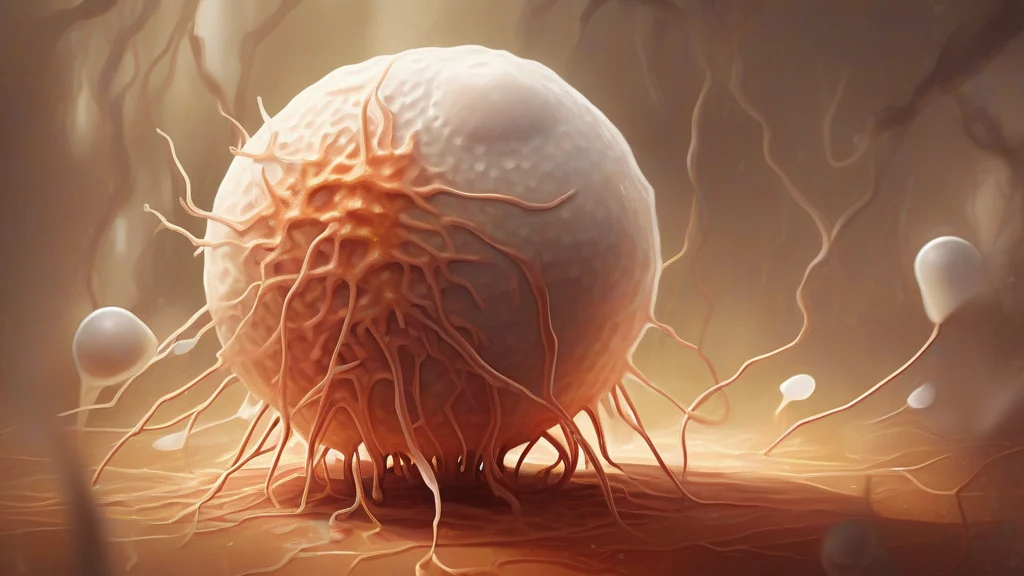
What does macrophage mean?
A macrophage is a large, versatile immune cell that acts as both a cleanup specialist and a coordinator of immune responses. It engulfs bacteria, damaged cells, and other foreign material through a process called phagocytosis. Different macrophages have specialized roles depending on the tissue in which they live: for example, alveolar macrophages patrol the lungs, while tissue-resident macrophages help maintain local immune balance. Macrophages can also release chemical signals that promote or regulate inflammation and present antigens to other immune cells, helping coordinate the body’s response to infection. The word is used mainly in biology, medicine, and immunology. Understanding macrophages is important because they are central to infection control, tissue repair, chronic inflammatory disease, and the development of many immune therapies.
nounA large immune cell that engulfs and digests foreign particles, microorganisms, and cellular debris. Macrophages are found in tissues and can present antigens to other cells of the immune system.
- An immune cell that engulfs and digests pathogens, foreign material, and cellular debris.
- A tissue-resident or activated immune cell that helps coordinate inflammation and present antigens.
"Macrophages gathered around the injured tissue to remove damaged cells and bacteria."
"Macrophages in the lung remove dust, microbes, and other inhaled particles."
"Researchers studied how activated macrophages respond to a signal associated with chronic inflammation."
The standard plural is used when referring to more than one macrophage or to the cell type generally.
"Macrophages were observed throughout the inflamed tissue."
Your immune system has microscopic cleanup crews, and macrophages are among the most versatile of them, acting as scavengers, messengers, and coordinators of infection control.
Reviewed by Deb Chak, Editor. AI-assisted content curated by RJS Tech Solutions LLP.
Where does macrophage come from?
The word comes from Greek makros, meaning “large,” and phagein, meaning “to eat,” through the combining form -phage, referring to cells that engulf material. “Macrophage” was introduced in the late 19th century to distinguish a large type of phagocytic cell from smaller phagocytes. Its related English terms include phagocyte and phagocytosis, which preserve the same Greek root referring to eating or engulfing.
How macrophage is actually used
Macrophage is primarily a biological and medical term. In general writing, it is usually used in scientific, clinical, or educational contexts; “phagocyte” is broader and includes several types of cells that engulf material.