
What does mangold mean?
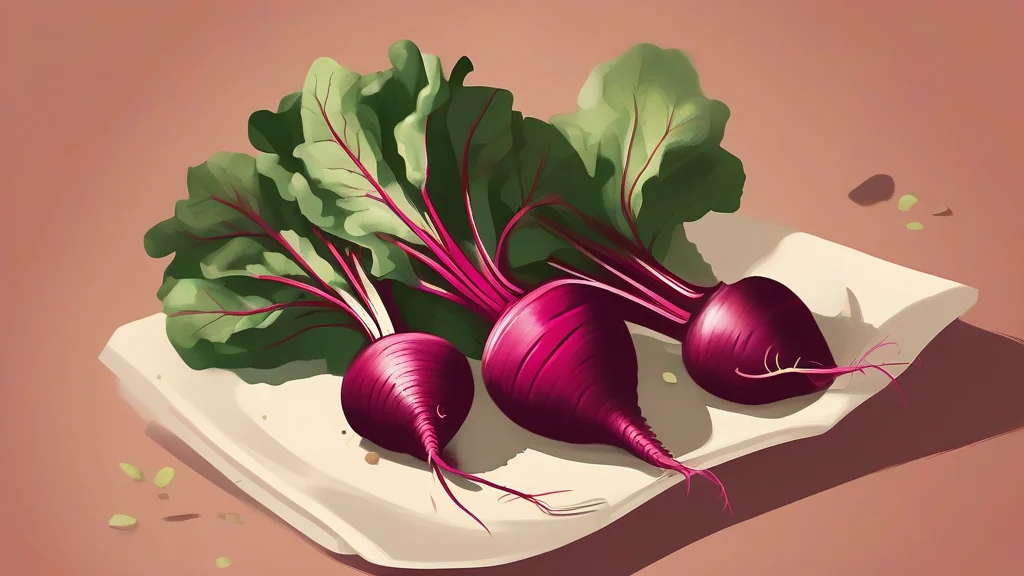
Mangold is an old English word for beetroot, the edible root of the beet plant. It was especially common in British and American writing during the nineteenth and early twentieth centuries, when it could refer both to the root itself and, more broadly, to the beet plant. Today, the word is mainly encountered in historical books, old recipes, gardening texts, and quotations rather than in ordinary conversation. Its appearance can suggest an older period or a deliberately traditional tone, although it does not necessarily indicate a formal register. In modern use, “beet” or “beetroot” is clearer and more familiar, while “mangold” remains useful chiefly when discussing the history of English vocabulary or interpreting older sources.
nounAn old name for the beetroot, especially the edible root of the beet plant. The word is now mostly found in historical texts rather than modern everyday use.
- An obsolete or historical term for the beetroot, the swollen edible root of the beet plant.
"The gardener harvested a large mangold for the village market."
"She boiled the mangold and served it with butter and herbs."
"The term “mangold” appears in several nineteenth-century gardening manuals."
The plural is rare because the word itself is now chiefly historical or archaic.
"The market stall displayed several mangolds beside bunches of leafy greens."
Once a familiar name for the humble beetroot, “mangold” has faded into the language of old recipes and historical writing.
Reviewed by Deb Chak, Editor. AI-assisted content curated by RJS Tech Solutions LLP.
Where does mangold come from?
The word comes through English from older European forms associated with Old High German “mangolt,” itself referring to the beet or its root. The precise development of the word is historically obscure, but its Germanic connections are reflected in related forms in other European languages. English “mangold” was established before it was displaced by the more familiar “beet” and “beetroot.”
How mangold is actually used
The word is chiefly literary, archaic, or historical in modern English. “Beet” and “beetroot” are the usual contemporary terms.