
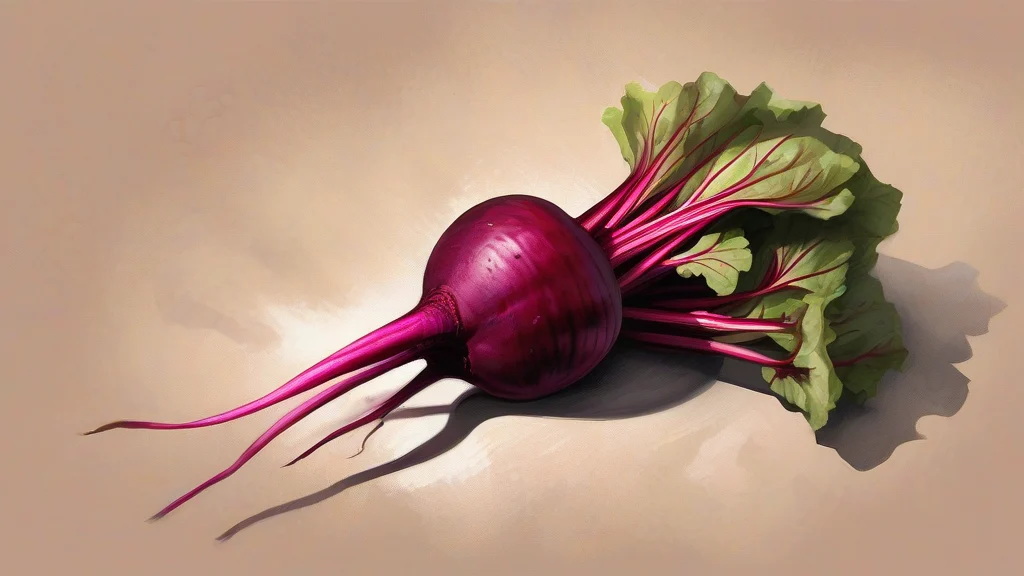
What does mangel mean?
Mangel is a British agricultural term for a large-rooted variety of common beet, Beta vulgaris, cultivated chiefly as fodder for cattle and other livestock. Unlike the familiar culinary beetroot, the mangel is valued for the mass and nutritive value of its root rather than for eating. In ordinary use, a single root is a “mangel,” while “mangels” usually refers to the roots collectively or to the crop; “mangel beet,” “fodder beet,” and the older “mangold” can provide context or serve as synonyms. The word belongs mainly to British farming vocabulary, though it is also found in American agricultural writing, and it sounds old-fashioned because mangels were once a familiar winter feed for livestock. Mangel should not be confused with the verb mangle, meaning to damage, distort, or disfigure something, despite the two words being pronounced alike. Today the term is most useful as a piece of rural and agricultural history, marking a crop that occupied a substantial place in the practical economy of livestock farming.
nounA large-rooted variety of common beet (Beta vulgaris), grown mainly as fodder for cattle and other livestock; also the root itself.
- A variety of common beet with a large edible root, cultivated primarily as livestock fodder.
"The farmer fed mangels to the cattle throughout the winter."
"The farmer fed mangel to the cattle throughout the winter."
"Mangel was once a common fodder crop on British dairy farms."
Use “mangels” when referring collectively to the roots or to the fodder crop; use the singular for one root.
"The farmer loaded sacks of mangels onto the cart."
A mangel is less a beetroot snack than a beef-feed crop—a massive root grown to keep cattle fed through winter.
Reviewed by Deb Chak, Editor. AI-assisted content curated by RJS Tech Solutions LLP.
Where does mangel come from?
The word mangel comes from German, where Mangelwurzel names the fodder beet. Mangelwurzel combines Mangel with Wurzel, meaning “root,” while the English crop name also has the historical variant mangold. English usage became established during the nineteenth century as the beet was widely cultivated for livestock feed.
How mangel is actually used
This is chiefly a British agricultural term, also found in American agricultural writing. It has an old-fashioned, rural register and normally refers to a root grown for feed rather than to a beet intended for the table.
Easily confused with mangel
A mangel is a fodder beet, whereas to mangle something is to damage, distort, or disfigure it.