
What does manihoc mean?
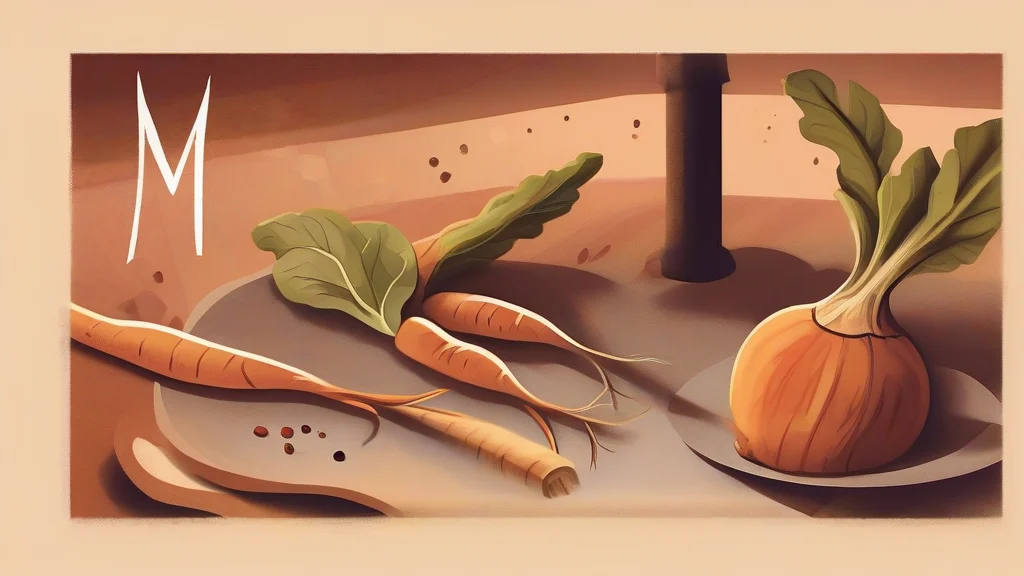
Manihoc is a historical English spelling of manioc, the common name for cassava, a tropical plant cultivated for its large, starchy roots. In older usage, the word could refer either to the plant itself or to its edible root, depending on context. Cassava has long been an important staple food in parts of South America, Africa, and Asia because its roots contain abundant starch and can be processed into flour, tapioca, and other foods. Although the plant is nutritious when prepared properly, its raw roots contain substances that must be reduced through appropriate cooking or processing. The form manihoc is now chiefly encountered in historical texts, older botanical references, and institutional or commercial names. In modern English, manioc and cassava are the more familiar terms, while yuca is also used, especially in culinary contexts, though it can sometimes refer more specifically to the leaves or to particular varieties.
nounA historical variant spelling of manioc, especially the cassava plant or its starchy, edible root.
- The cassava plant, Manihot esculenta, or its starchy edible root.
"The settlers used manihoc to make flour and bread."
"The roots were boiled and processed to make manihoc flour."
"Agricultural records show that manihoc was an important local food crop."
The regular plural is rarely needed because the word is chiefly historical.
"The collection documented several varieties of manihoc grown in the region."
Known today as cassava, manihoc was once the word Europeans commonly used for a tropical staple that can yield remarkably starchy food.
Reviewed by Deb Chak, Editor. AI-assisted content curated by RJS Tech Solutions LLP.
Where does manihoc come from?
Manihoc entered English through French, in which manihoc was an older name for cassava. The French word is generally traced to a Tupi form associated with the plant's native name. The same broad etymological tradition also produced names such as manioc, mandioca, and cassava, which were later adopted into several European languages.
How manihoc is actually used
Manihoc is now a historical or obsolete spelling of manioc. It survives mainly in older writing, although it may occur in the names of foods, products, or institutions that preserve an earlier form.
Easily confused with manihoc
Manihoc is a historical spelling of manioc; both names refer to the cassava plant and its starchy root.