
What does manometer mean?
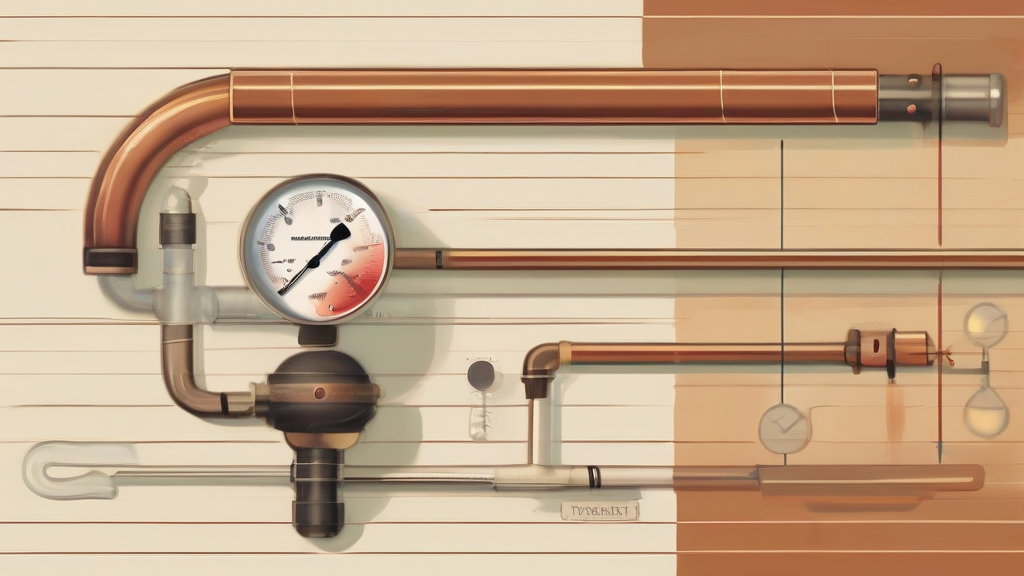
A manometer is an instrument that measures pressure, usually by comparing the pressure of a gas or liquid with a known reference pressure. Traditional instruments use a column of mercury or another liquid, while modern devices may employ mechanical or electronic sensors. Manometers are used in laboratories, industrial plants, pipelines, engines, and scientific experiments to determine whether a system is operating safely or according to specification. The word is more technical than the everyday expression “pressure gauge,” but it is valuable because it identifies a device designed specifically for measuring pressure. In many manometers, pressure is represented by the displacement of a liquid in a narrow tube, allowing the pressure difference to be read from the height of the column. The name combines elements meaning “pressure” and “measurement,” reflecting the instrument’s basic function.
nounAn instrument for measuring the pressure of a gas or liquid, especially pressure relative to atmospheric pressure. It may use a liquid column, a mechanical gauge, or an electronic sensor.
- An instrument used to measure the pressure of a fluid, particularly in a pipe, vessel, or enclosed system.
"The pressure in the chamber was monitored continuously with a manometer."
"Engineers installed a manometer to monitor the pressure inside the pipeline."
"The manometer showed that the pressure had risen above the safe operating limit."
The plural form is used when referring to multiple pressure-measuring instruments.
"The technicians checked all the manometers before restarting the equipment."
A manometer turns an invisible force—pressure—into a reading, often by balancing it against a column of liquid.
Reviewed by Deb Chak, Editor. AI-assisted content curated by RJS Tech Solutions LLP.
Etymology of manometer
The word comes from Greek manos, meaning “pressure,” and metron, meaning “measure.” It entered English in the 19th century as a scientific term for an instrument used to measure pressure. The second element belongs to the same Greek family as related terms such as metric, metronome, geometry, and diameter.
Related word forms
How manometer is actually used
The term is formal and technical. In general use, “pressure gauge” is often more natural, while “manometer” is especially associated with laboratory, engineering, and industrial measurement.
Easily confused with manometer
A manometer measures pressure in a gas or liquid, whereas a barometer is specifically used to measure atmospheric pressure.