
What does maraud mean?
Maraud means to roam in an armed band, attacking settlements, ships, or travellers in order to seize property. The word carries a strongly historical or literary tone, evoking raids by pirates, bandits, invading troops, and other organized groups. It can also describe the plundering of a particular place, and figurative uses generally emphasize uncontrolled destruction, as when a storm “marauds” a coastline. Maraud differs slightly from raid by suggesting movement among multiple targets and a predatory expedition rather than one isolated attack. The associated noun marauder denotes a member of such a group, while marauding describes the activity. Although still encountered in accounts of warfare, piracy, and disaster, the word is more literary and evocative than the plainer verbs rob, loot, and plunder.
To move about in armed bands, attacking or robbing places, people, or ships.
"Pirates marauded merchant ships along the coast."
Often implies repeated movement between targets and is commonly used with armed groups.
To plunder or raid a place.
"The raiders marauded the town after capturing the garrison."
This use may refer to a single locality rather than a roving expedition.
To ravage or overrun an area in a violent, destructive way.
"The hurricane marauded the island, leaving widespread destruction."
Chiefly figurative; the subject is often a storm, fire, or other destructive force.
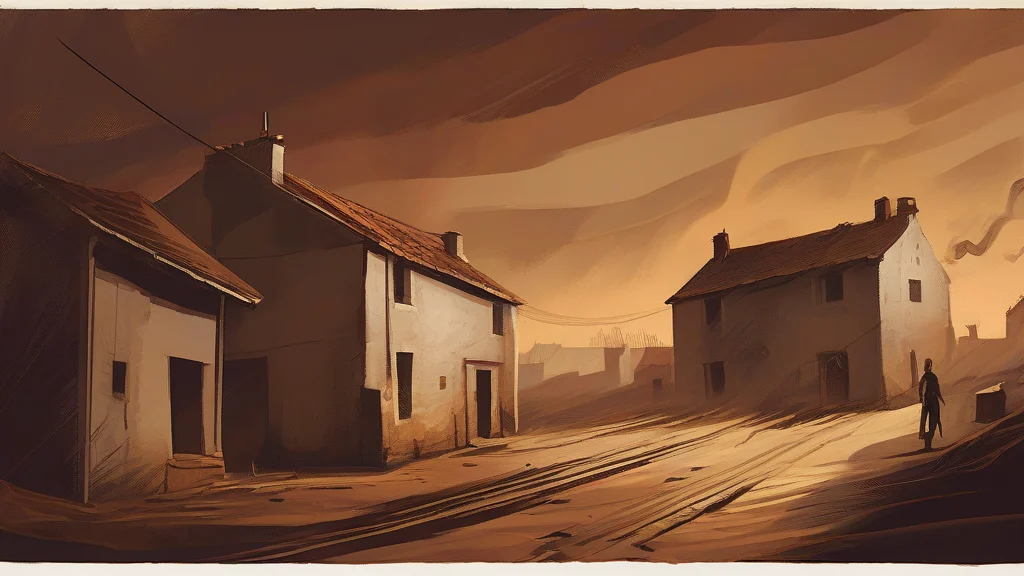
A maraud was originally a roaming raid: an armed band moved through the countryside, seizing what it could before moving on.
Reviewed by Deb Chak, Editor. AI-assisted content curated by RJS Tech Solutions LLP.
Where does maraud come from?
The English verb entered from French maruder, meaning to plunder or pillage, in the early 17th century. Its older history is associated with roving armed groups and bandits. The modern verb preserved the original sense of travelling in search of plunder while also developing broader and figurative applications.
Related word forms
How maraud is actually used
The verb is formal or literary in tone and commonly implies movement from place to place by an armed group. When used figuratively, it is usually reserved for violent, destructive forces rather than ordinary competition or criticism.