
What does masonry mean?
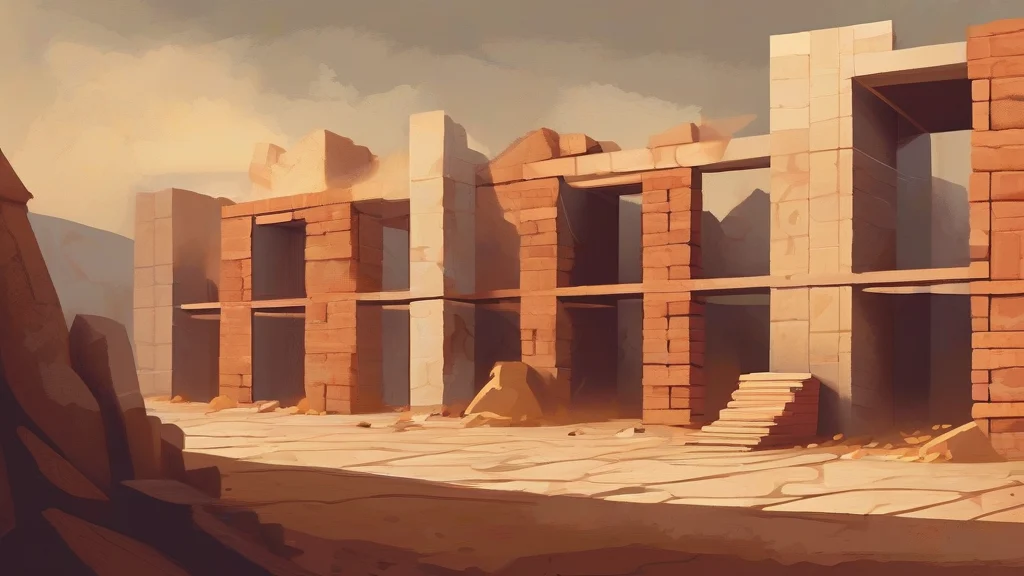
Masonry denotes the craft, process, and material work of constructing buildings with stone, brick, and similar solid units. It is especially associated with traditional load-bearing construction, where carefully cut and bonded masonry provides structural strength, though the term can also describe non-load-bearing stone or brick facing. In professional and architectural contexts, masonry distinguishes construction based on individual units and mortar from framed construction using timber or steel. The word can additionally refer collectively to masons, the workers who practise the trade, and more broadly to masonry as the material construction itself. Common expressions include “stone masonry,” “masonry construction,” and “masonry work.” Masonry is an old and internationally widespread term, reflecting the central importance of stone and brick building traditions throughout European and global architectural history.
The craft or work of building with stone, brick, or other solid masonry units; also the resulting stone or brick construction.
"The restoration specialists repaired the damaged masonry with matching stone."
The term may include both structural masonry and decorative stone or brick facing.
Collectively, the body of people who practise the mason's trade.
"Masonry from across the region contributed to the rebuilding effort."
This collective sense is especially established in British English.
The plural is used when referring to separate works, bodies, or collections of masonry.
"The church preserves several distinctive regional masonries."
From a single skilled craft comes a word that can describe both the builder and the enduring stonework they leave behind.
Reviewed by Deb Chak, Editor. AI-assisted content curated by RJS Tech Solutions LLP.
Where does masonry come from?
Masonry derives through Old French maçonnerie, meaning a mason's work, from maçon, “mason,” which was borrowed from a Vulgar Latin term related to Latin maceria, a wall or masonry work. English adopted the word in the medieval period, initially referring to the craft or work of a mason. The related English words mason and masonic continue to reflect the same occupational root.
Related word forms
How masonry is actually used
In general use, masonry is broadly synonymous with stonework or brickwork, although it can also include other durable construction materials. In British English, the collective sense for the trade is somewhat more common than it is in American English.
Easily confused with masonry
Masonry is the building craft or its material work, whereas masonic relates to stonemasons or, in the capitalized form, Freemasonry.
A mason is a person who builds with stone, brick, or similar materials, while masonry denotes the trade, workmanship, or construction itself.