
What does stonemasonry mean?
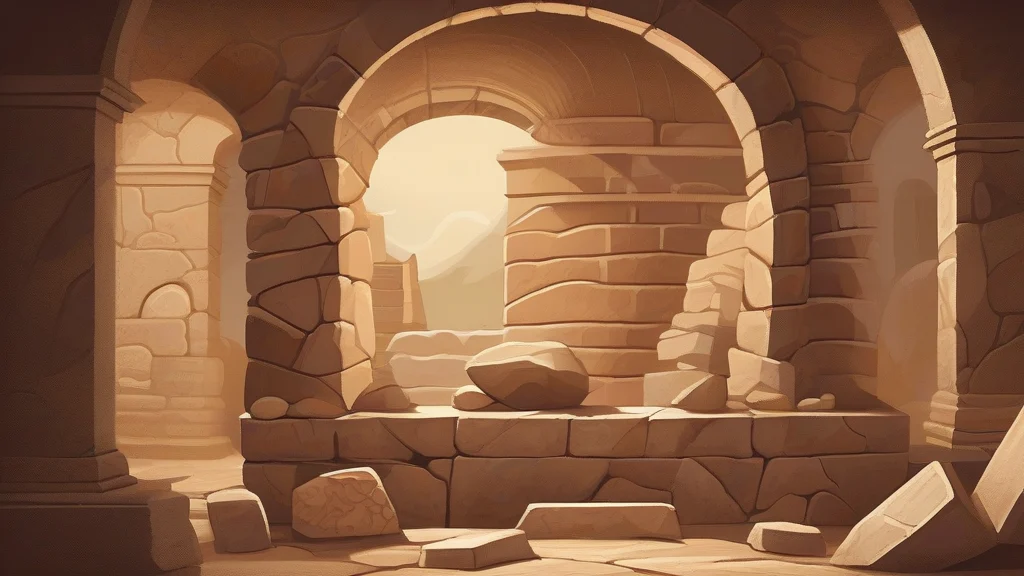
Stonemasonry is the art and trade of shaping stone and assembling it into walls, arches, buildings, monuments, and other structures. The word can refer both to the skilled work process and to the finished stone construction itself. Because stone is difficult to cut and extremely heavy, stonemasonry depends on specialist knowledge, suitable tools, accurate planning, and careful joining. Historic examples include ashlar masonry, in which carefully dressed blocks form smooth, regular surfaces, and rubble masonry, which uses smaller or irregular pieces. In ordinary usage, stonemasonry is associated with permanence, craftsmanship, and traditional architecture, although the term can also describe modern construction. It is distinct from the broader word masonry, which may include brickwork, and from bricklaying, which specifically concerns bricks. Understanding stonemasonry is useful in architecture, building history, conservation, and descriptions of durable stone structures.
nounThe craft or trade of cutting, shaping, and laying stone in construction. It can also refer collectively to stonework or the work produced by this trade.
- The craft or trade of cutting, shaping, and laying stone in construction.
- Work made from stone, especially a building or architectural structure built with stone.
"The cathedral's stonemasonry has been carefully restored over several decades."
"Traditional stonemasonry requires an understanding of how different stones respond to tools and weather."
"The ruined abbey is still admired for its remarkable stonemasonry."
Usually used in the plural only for separate works or collections of stone construction; the singular is normally uncountable when referring to the craft.
"The guide describes the stonemasonries of several medieval churches."
Stonemasonry turns hard stone into durable architecture, but its craft depends on reading the material's grain, weight, and natural variations.
Reviewed by Deb Chak, Editor. AI-assisted content curated by RJS Tech Solutions LLP.
Where does stonemasonry come from?
The word is a compound of 'stone' and 'masonry'. 'Masonry' entered English through Old French maconnerie, meaning the work or craft of a mason, and ultimately derives from Latin materials associated with building in stone. The English compound developed as the term for the specialized trade and work involving stone. Related forms such as 'stonemason' and 'stonework' preserve the same association with stone and building.
Related word forms
How stonemasonry is actually used
Usually uncountable when referring to the craft, although the plural 'stonemasonries' is possible for separate works or collections of masonry. In British English, 'masonry' can also be used broadly for building work involving stone or brick.
Easily confused with stonemasonry
Masonry can include work with brick, tile, or other manufactured units, whereas stonemasonry specifically refers to construction using stone.
Bricklaying is the trade of constructing with bricks, while stonemasonry refers specifically to working with stone.