
What does maw mean?
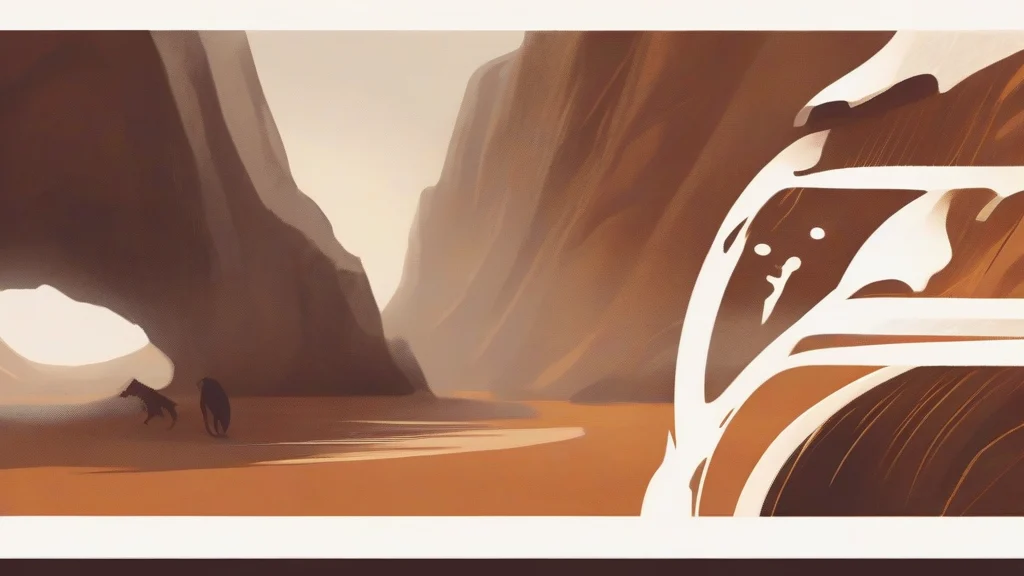
A maw is the mouth or jaws of an animal, particularly when imagined as gaping open. The word has a forceful, often frightening quality that is useful in descriptions of predators, monsters, and other threatening creatures. It can also denote a large opening that resembles jaws, such as a cave entrance or a ragged gap in the landscape. In figurative contexts, a maw is an insatiable or destructive force: a business enterprise may be described as being swallowed by a larger corporation's commercial maw, while extreme weather can seem to consume a region with its hungry maw. Although the literal word is now somewhat literary, it remains familiar through dramatic and figurative expressions. Its power lies in combining a physical image of teeth and jaws with the suggestion of hunger, danger, and unlimited appetite.
The jaws or mouth of an animal, especially when wide open; also a large opening resembling jaws or a voracious force that consumes something.
"A great maw of darkness yawned at the end of the passage."
Literal uses are chiefly literary, while figurative uses often convey voraciousness, danger, or destructive power.
To eat or devour greedily.
"The hound mawed the scraps without lifting its eyes."
Rare and strongly literary; usually found in narrative, descriptive, or archaic writing.
The ordinary plural is maws, though writers may prefer jaws when describing an individual animal.
"The traps were lined with bones taken from the maws of sea creatures."
From the jaws of a beast to the hungry mouth of an institution, a maw can describe anything portrayed as consuming without limit.
Reviewed by Deb Chak, Editor. AI-assisted content curated by RJS Tech Solutions LLP.
Where does maw come from?
The word comes from Old English maw, used for an animal's mouth or stomach and related to forms meaning stomach in other Germanic languages. Its modern sense for the jaws of an animal developed through the word's long association with the voracious act of eating. English later extended the word metaphorically to describe consuming or destructive forces.
Related word forms
How maw is actually used
The word is literary and somewhat archaic in tone, especially when referring to an animal's jaws. Its figurative use is often deliberately dramatic, suggesting voraciousness, danger, or an insatiable appetite.
Easily confused with maw
Mouth is the general word for an opening or entrance, while maw usually suggests an animal's jaws or a large, threatening opening.