What does mechanise mean?
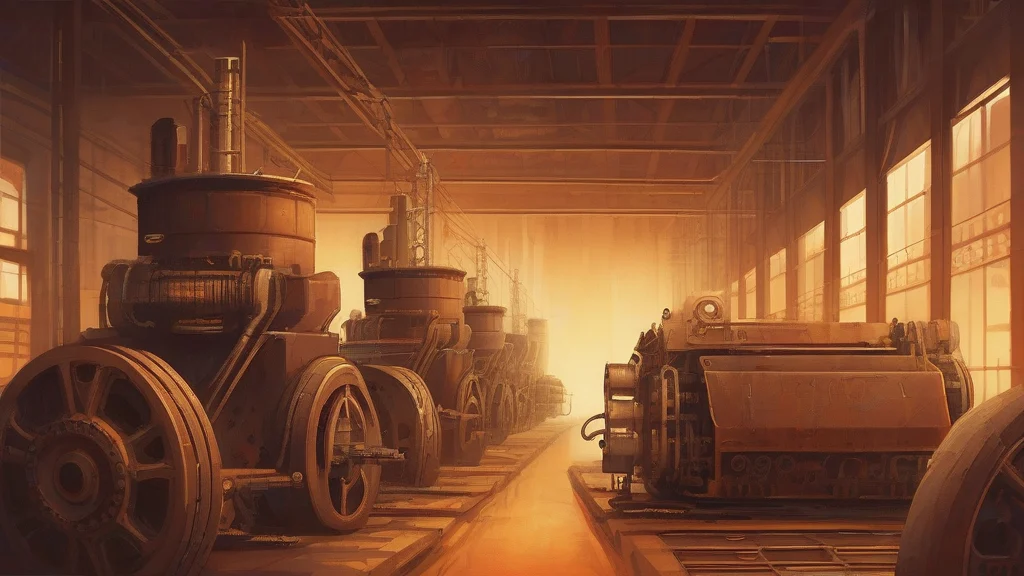
Mechanise is a verb that means to convert or replace human labor with machines or mechanical devices, especially in manufacturing or industry. This process can increase efficiency and reduce labor costs, but it can also lead to job losses and changes in the workforce. Mechanise is often used in formal or technical contexts, but it can also be used in more general contexts to describe the process of replacing human labor with machines. The word has been in use since the late 19th century and has its roots in the word 'machine'. In modern usage, mechanise is often used interchangeably with the word 'automate', but it can also be used to describe more complex processes that involve the use of machines and mechanical devices. Overall, mechanise is a useful word for describing the process of replacing human labor with machines, and it is an important concept in the fields of industry and manufacturing.
verbTo convert or replace human labor with machines or mechanical devices, especially in manufacturing or industry.
- To convert or replace human labor with machines or mechanical devices, especially in manufacturing or industry.
"The factory began to mechanise the production process, increasing efficiency and reducing labor costs."
"The factory began to mechanise the production process, increasing efficiency and reducing labor costs."
"The company plans to mechanise its supply chain to reduce costs and improve delivery times."
The plural form of mechanise is used to describe multiple machines or processes that are being mechanised.
"The company plans to mechanise its entire supply chain, which will involve the use of multiple machines and mechanical devices."
Reviewed by Deb Chak, Editor. AI-assisted content curated by RJS Tech Solutions LLP.
Etymology of mechanise
The word 'mechanise' has its roots in the word 'machine', which comes from the Greek word 'mekhanikos', meaning 'skilled in hand tools'. The word 'mechanise' was first used in the late 19th century to describe the process of replacing human labor with machines, and it has been in use ever since. The word has cognates in other languages, including the French word 'mécaniser' and the German word 'mechanisieren'.
How mechanise is actually used
Mechanise is often used in formal or technical contexts, especially in discussions of industry and manufacturing. It can also be used in more general contexts to describe the process of replacing human labor with machines.