What does mimeographing mean?
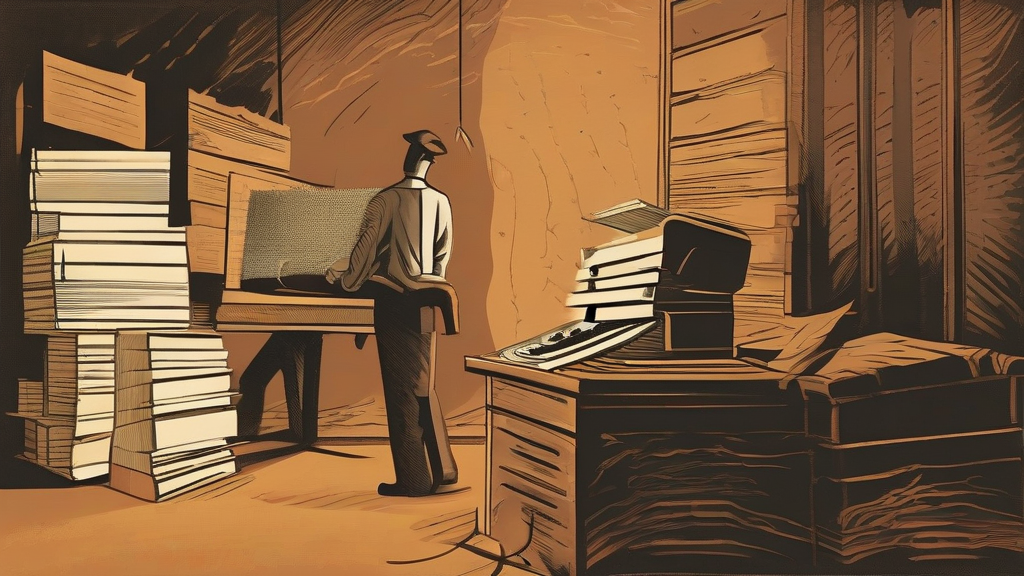
Mimeographing refers to the process of creating multiple copies of a document using a mimeograph, a machine that transfers ink onto paper to produce identical copies. This method was widely used in educational and office settings before the advent of digital photocopying and printing technologies. The term is often associated with the production of worksheets, handouts, and other materials for distribution. While largely replaced by more modern copying methods, mimeographing remains a notable part of the history of document reproduction. Understanding the concept of mimeographing provides insight into the evolution of office and educational practices.
verbThe act of producing copies of a document using a mimeograph, a machine that creates multiple copies of a document by transferring ink onto paper.
- The process of creating multiple copies of a document using a mimeograph.
- The act of producing identical copies of a text or image.
"The teacher spent all morning mimeographing worksheets for her students."
"The office was busy mimeographing reports for the meeting."
"She spent hours mimeographing flyers for the school play."
Reviewed by Deb Chak, Editor. AI-assisted content curated by RJS Tech Solutions LLP.
Etymology of mimeographing
The term 'mimeographing' originates from the name of the machine used for this process, the mimeograph, which was invented in the late 19th century. The word 'mimeograph' itself comes from the Greek words 'mimos' (imitator) and 'graphē' (writing). The practice of mimeographing became widespread in the 20th century, particularly in educational settings, as it allowed for the quick and efficient production of multiple copies of documents.
How mimeographing is actually used
This term is often associated with educational or office settings, particularly in the past when digital copying methods were not available.